anthony galvin
TAGGED: SPORT
Belief.
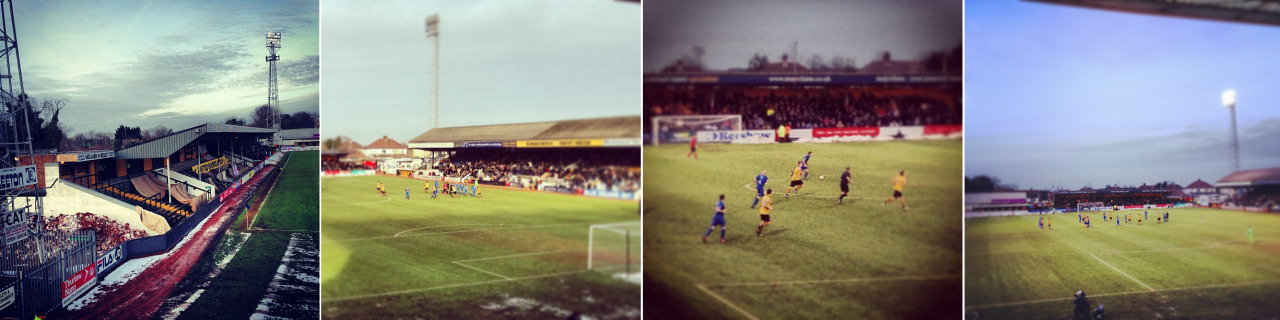
A cold afternoon, warmed by the tension of watching my team. My team - a strange phrase. They’re clearly not just mine - on this occasion I’m sharing them with the 700 other people who’ve decided to travel to the less than glamorous Abbey Stadium in Cambridge and pay £15 to sit in the away end (another 2000 or so locals are spread around the rest of the patchwork ground).
I’m always in the away end, that’s how I started watching them, with my dad at small grounds in the late 80’s and early 90’s. When football wasn’t an all pervasive fashion item that politicians and Hollywood a-listers were required to ‘like’. Not that this game is touched by much glamour. The Blue Square Premier League is a long way from the banal MOTD platitudes and millionaire showboating.
I don’t go and watch my team very often. For lots of reasons: money, family, geography, time. But one of the main reasons is that I don’t enjoy it. I can watch and enjoy most sport (except motor sport) and I enjoy watching football. But watching my team play is a long way from being a pleasurable experience.
It’s the tension, the stress.
The stress of getting to a ground in a town you don’t know. Arriving, taking a glance at the programme and with the dawning realisation that there isn’t a single player on the team who was playing for the club last time I watched a game. That strange superstition of not sitting down until the referee blows his whistle (I have no idea where that comes from). As the game progresses it gets worse. A knot in the stomach, voice growing hoarse, willing a good result. Those nearly moments - an almost great pass or the ball striking the bar. The collective frustration that pours out of the stands when a basic error is made.
Suddenly the end of the game approaches, nervous glances at my watch. The board held up for a few minutes of added time. Which drains away like the belief in fading light. Perhaps one last change and then the final whistle.
No win today. No end to the run of games without seeing them win. My team. Next time they’ll win. Next time I’ll enjoy it.
2013-01-27 23:57:00 GMT permalink
Temporary?
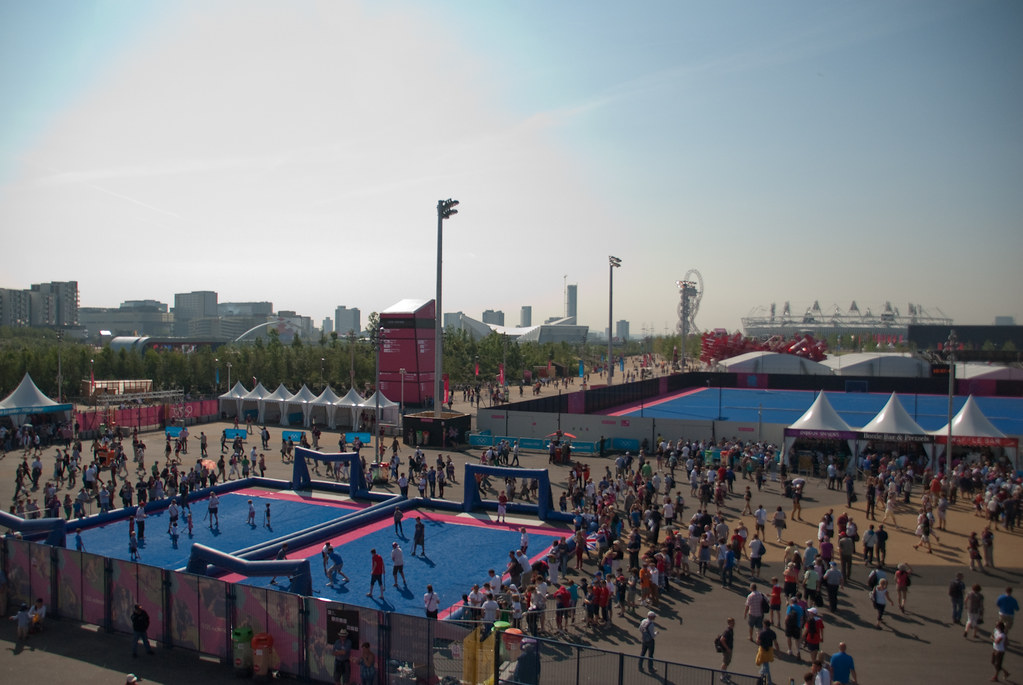
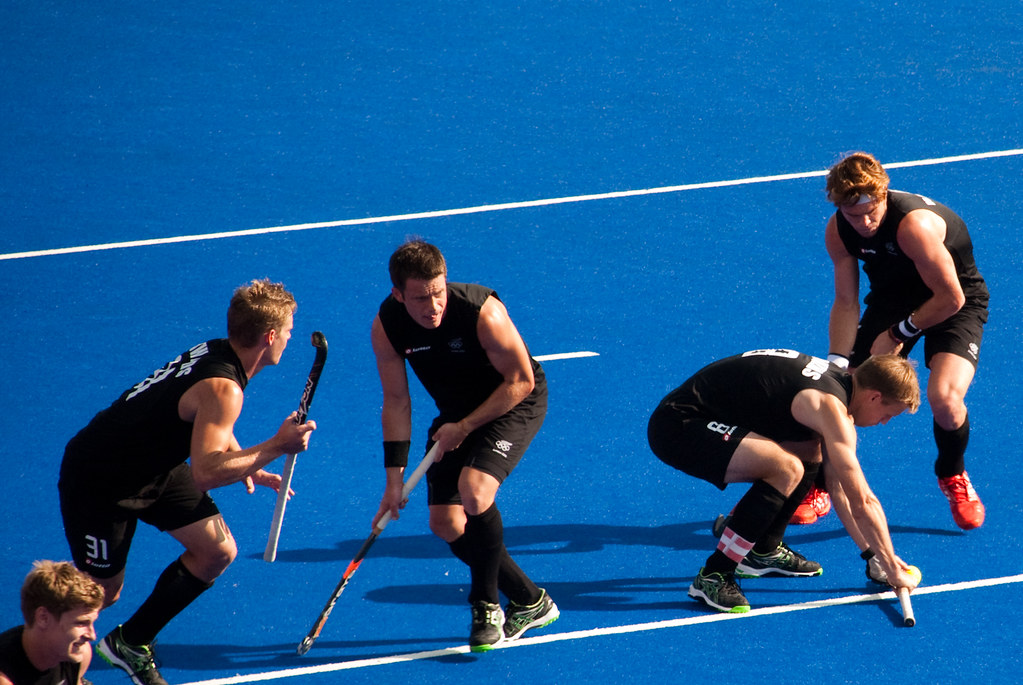
Early morning on Thursday 9th August heading East towards Stratford. Excited. The Olympics are in full swing and this is our chance to get involved at the Olympic Park.
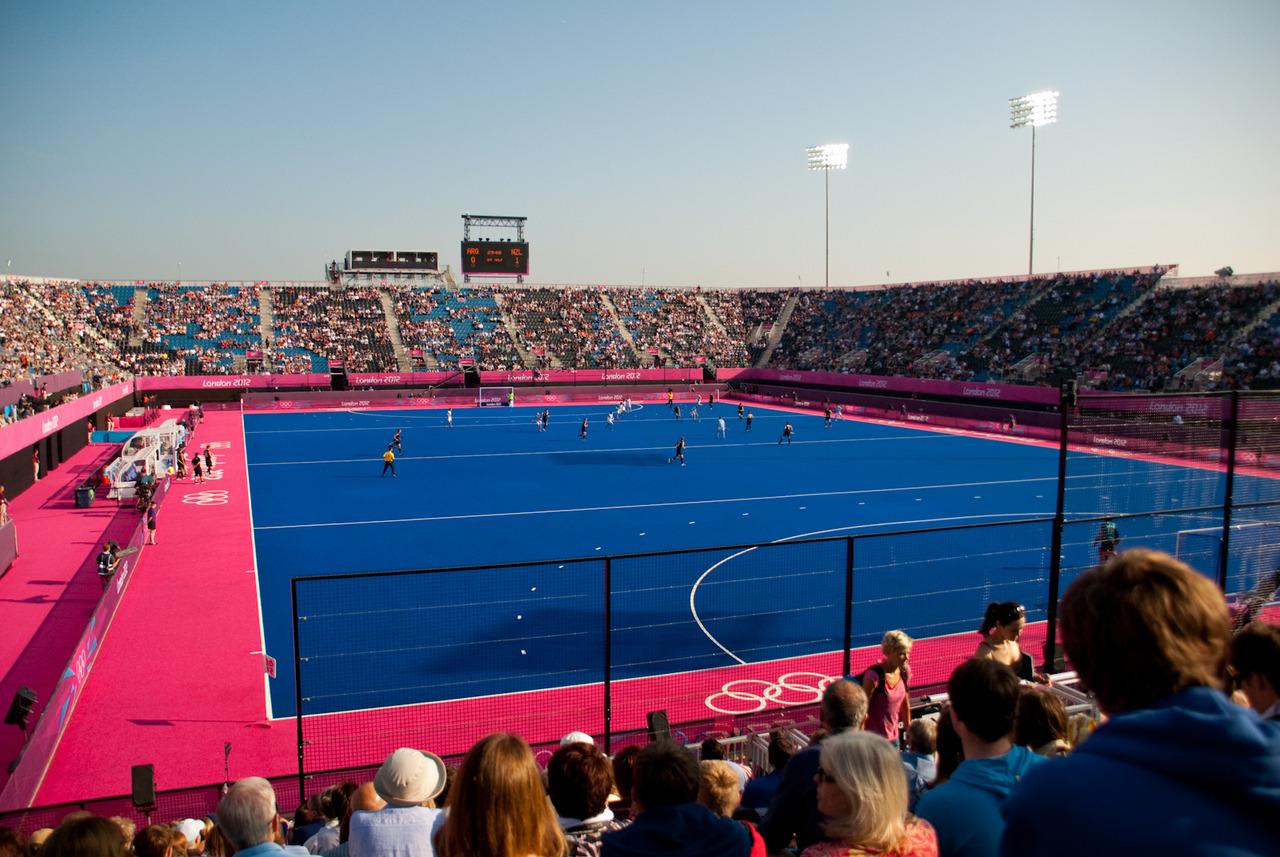
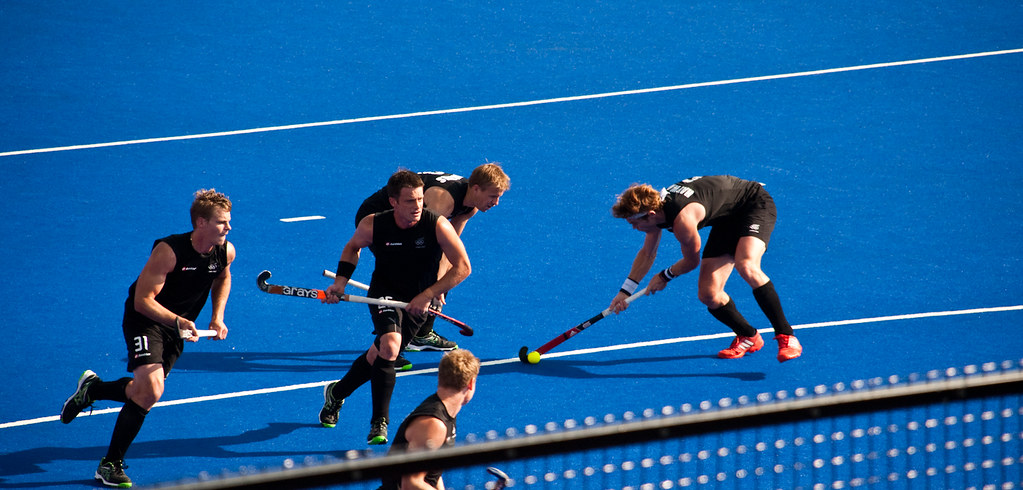
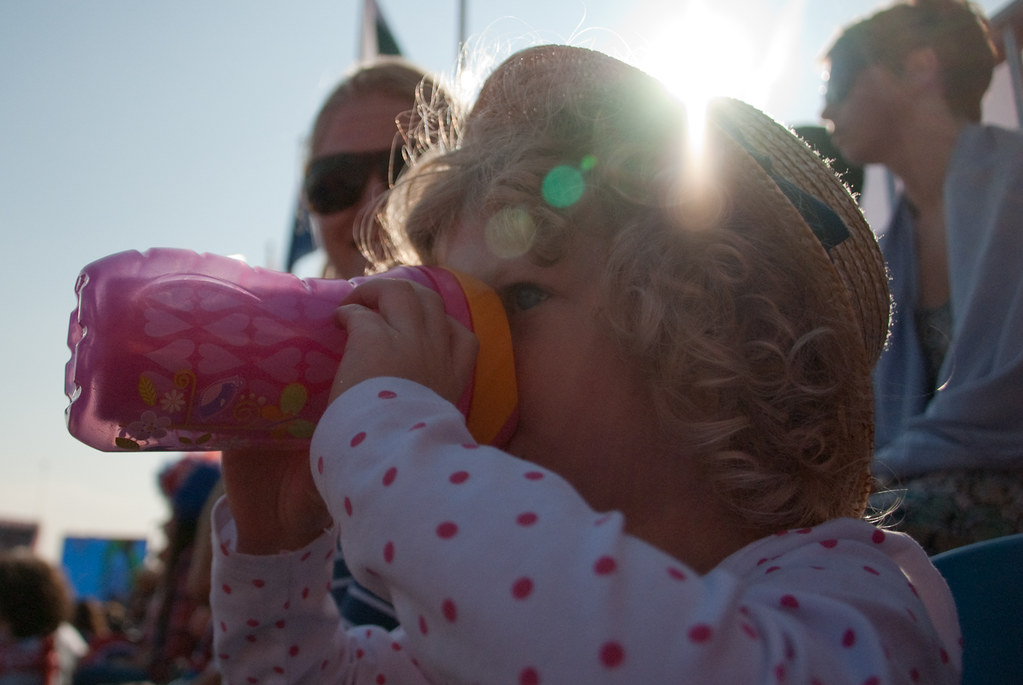
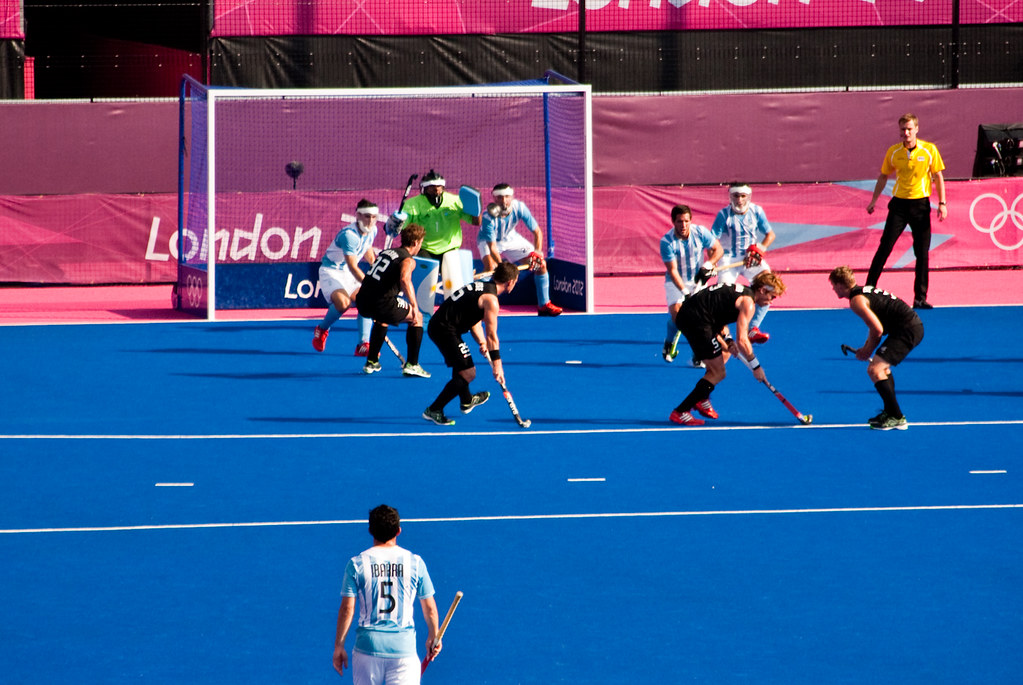
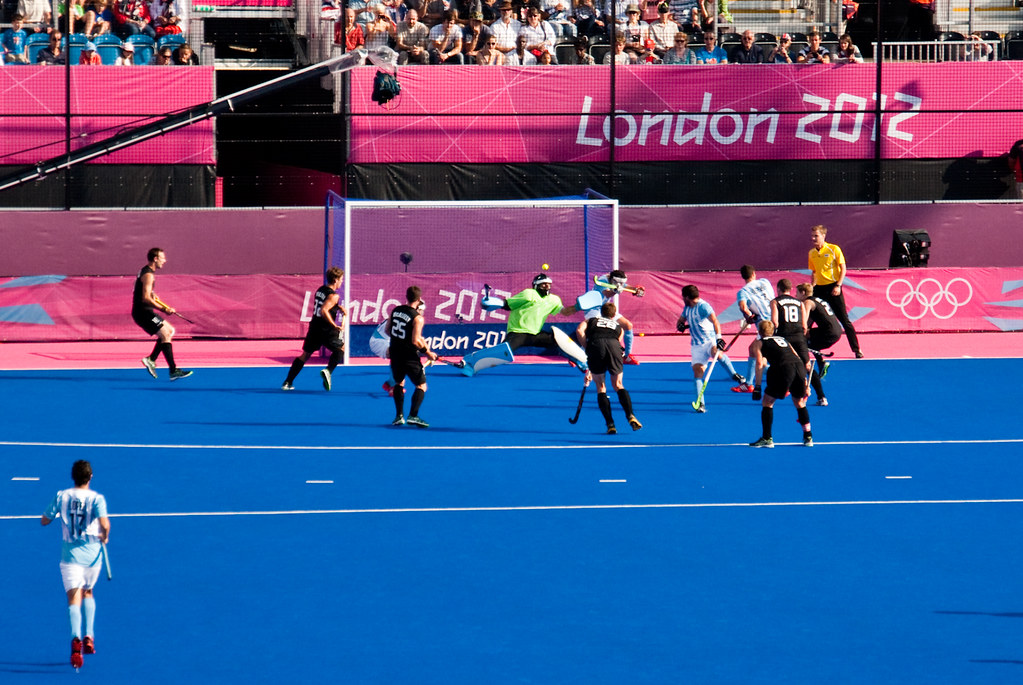
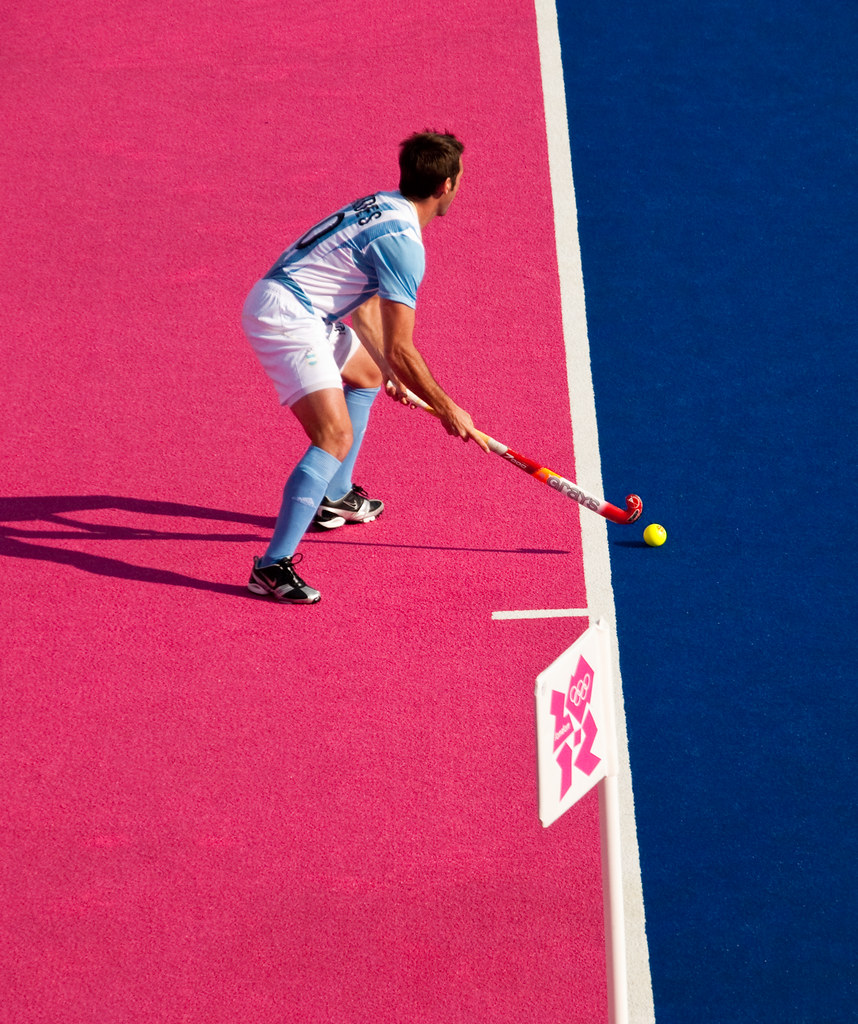
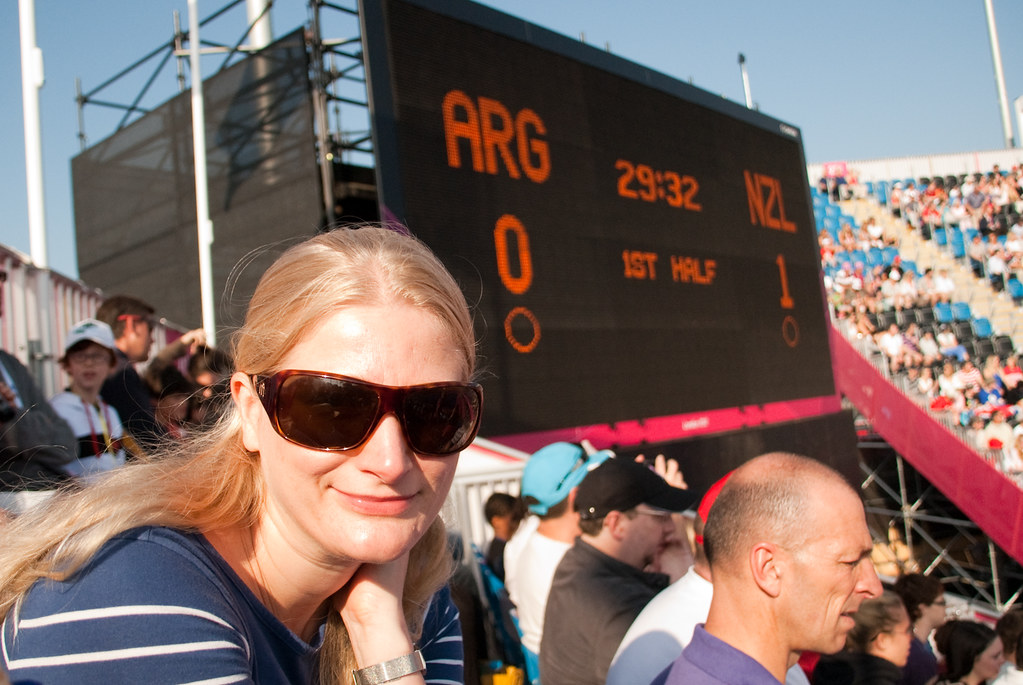
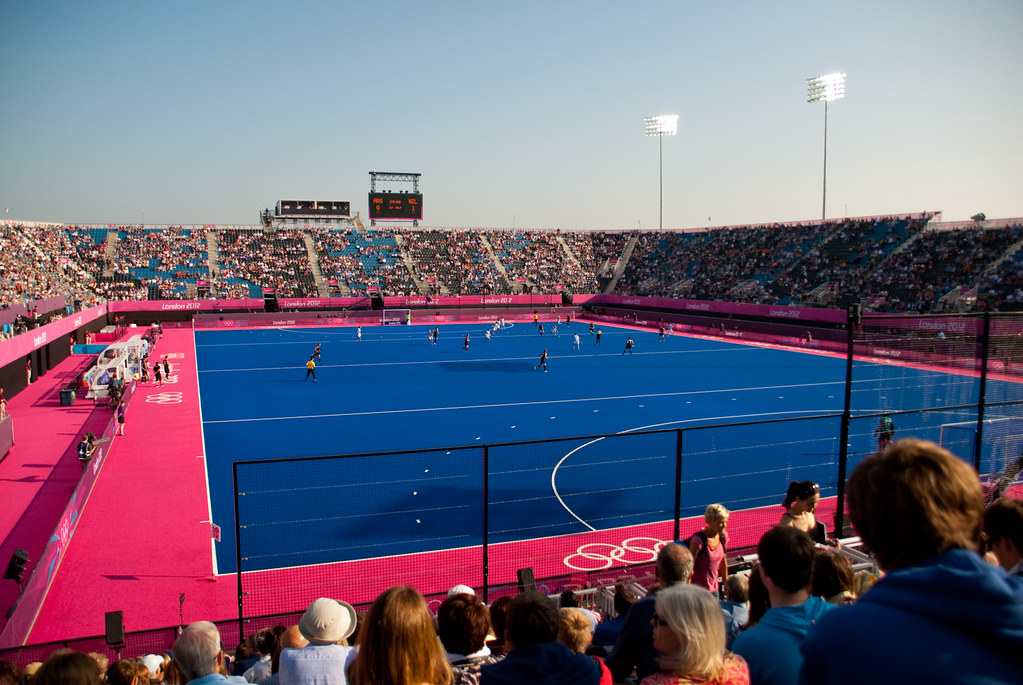
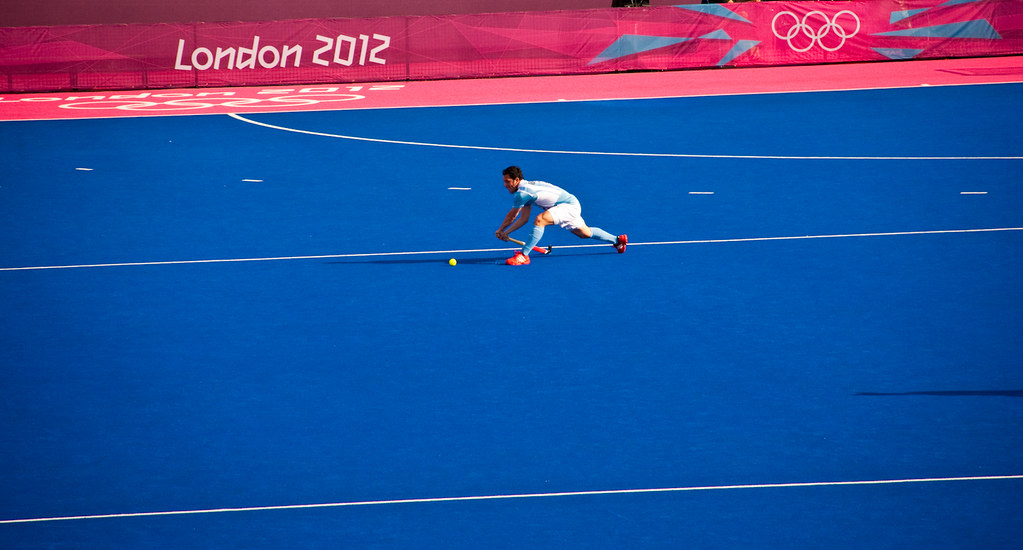
We have just 30 minutes to dash across the park towards the Riverbank Arena in time for push back, we make it, and take our seats as the game begins. Argentina against New Zealand playing off for ninth place doesn’t sound like much of an attraction, but this is the Olympics and the crowd are knowledgable, engrossed and enthusiastic.
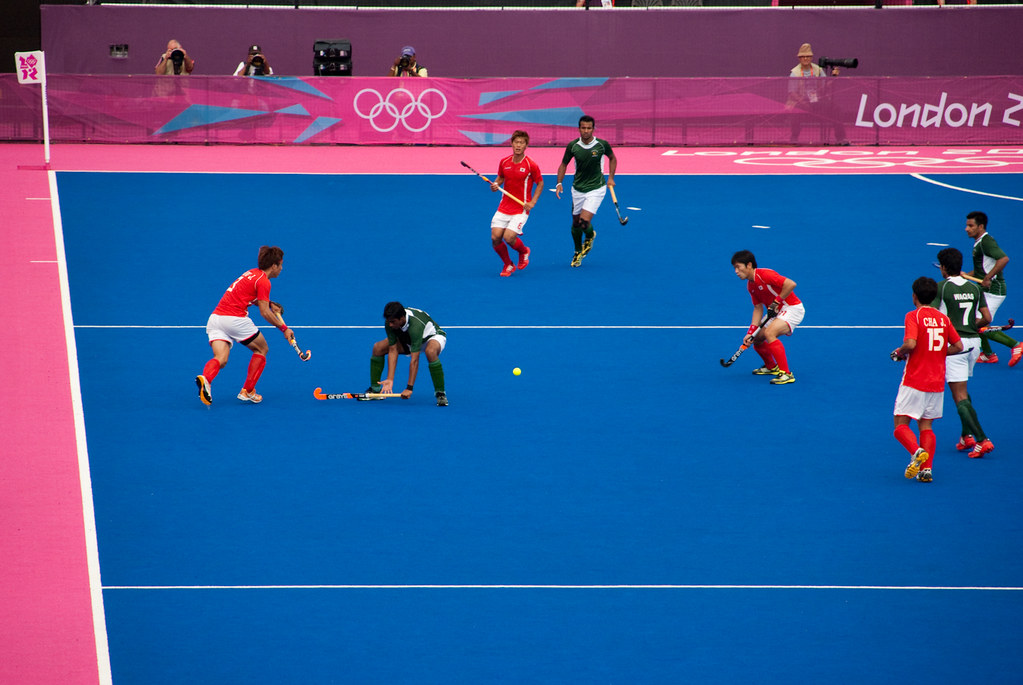
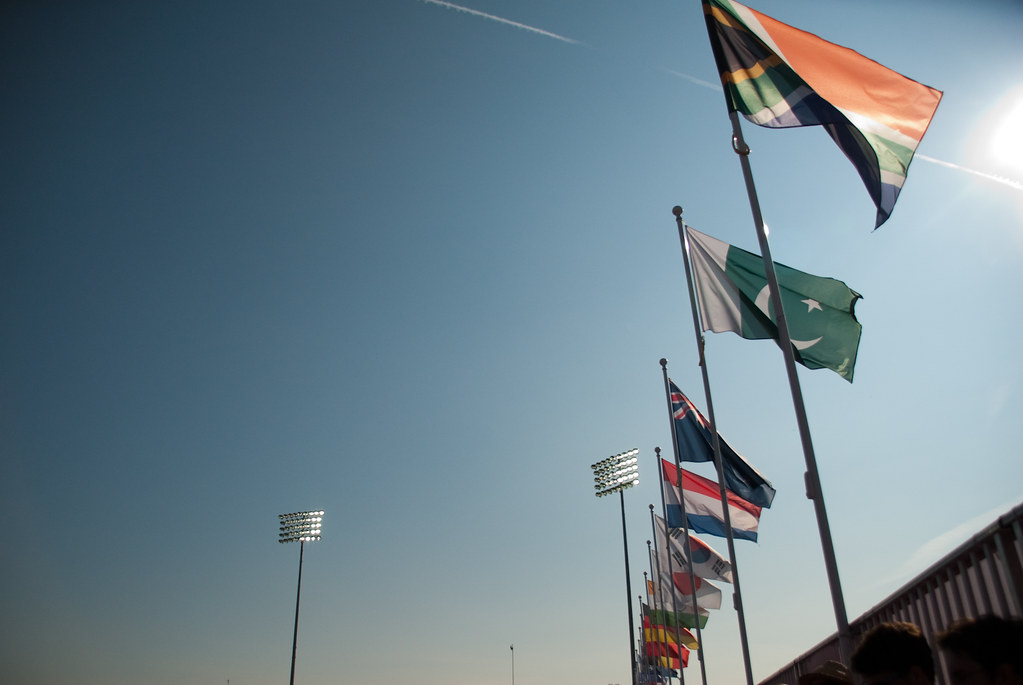
The sun beats down and by the start of the second half most of the 15,000 seats are full. The game ebbs and flows, but New Zealand seem stronger and faster and in the end run out 3-1 winners. We break for ice-cream, sun screen and leg stretch before Pakistan and South Korea play off for 7th place. This game is more defensive but still exciting. Pakistan seem more skillful but have a game plan that involves taking minimal risk. In the end they win 3-2. The applause from the crowd is enthusiastic as the players take a lap of honour. Then we file out.
The 15,000 seats and pitch will be modified for the Paralympics and then dismantled and moved to a new location, with a much reduced capacity. The arena is described as temporary. But most sports facilities are in some sense temporary, even if the stands remain they change and evolve - the new Wembley seems to only share a location with the old twin towered stadium. The timeless nature of Lord’s cricket ground is perpetuated by the continuing existence of a single stand, the members only pavilion.
When the game finishes, the crowd leaves and the event is over. Even though the photos live on and the highlights remain on iPlayer, the race, the match, that goal, they only really exist in the moment. The past tense immediately applies.
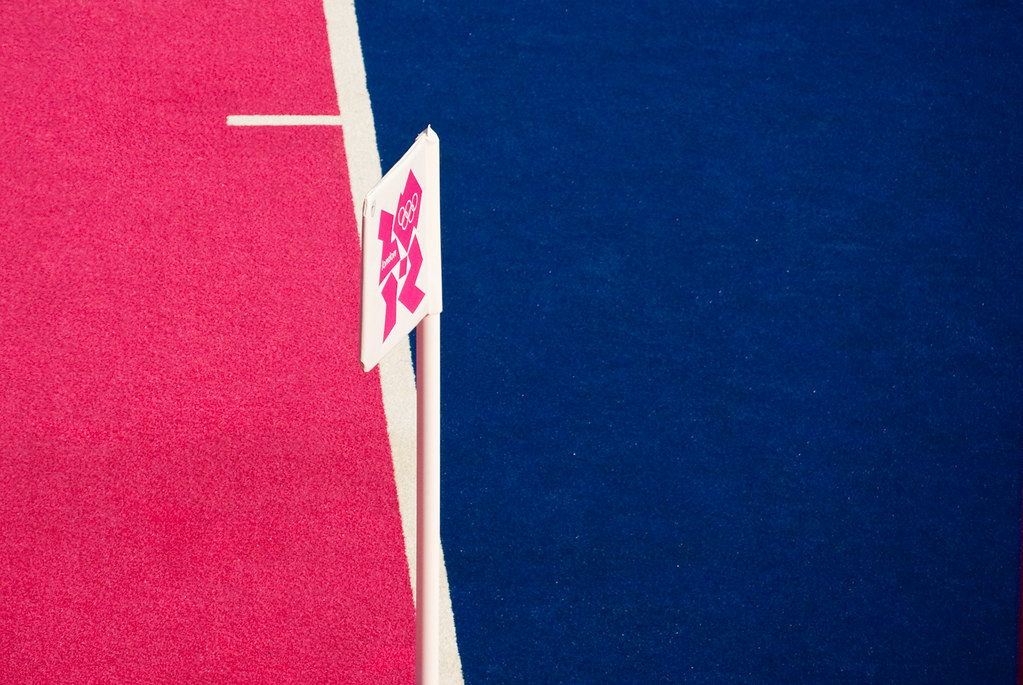
Yet these events live on in the memory. That morning at the Olympics will live with me forever, the bright pink and blue pitch seared into my fallible cortex.
Memory.
There’s a folk memory of these events that will also survive, like tales of seeing Bradman bat or queuing to watch Reg Harris win at Herne Hill that are passed down through generations.
The scarcity value of a visit to the Olympics and the esteem that the games are held (in spite of the relentless commercial exploitation), means that even when the Riverbank Arena is dismantled and relocated, the exploits of the athletes will live on. The impact of these Olympics, the imprint on my life of that bright morning in August will be permanent.
2012-08-14 21:54:00 GMT permalink
Putting the wicket to bed
It’s October. Unseasonably hot. The ‘rec’ busy with the usual early morning Sunday traffic. Tired looking fathers push energetic toddlers on the swings and dog walkers hurl mauled tennis balls vast distances with the aid of semi-prosthetic tools. The sound of the Sunday morning footballers can be heard from over the hedge that separates the cricketers 'oval’ - though in reality the cricket ground is far from a shape that can be easily described by conventional geometry - from the more rugged footy pitches on the far side of the rec.
But on this bright, late summer early autumn morning there’s a another sound; a mower is working one end of the tired looking square. On the other side a scarifier is churning away - scarring the wickets with it's metallic teeth, and tearing at the turf that is seen, by some villagers (if not the local foxes) as semi-sacred ground.
For Stewkley 1st XI the season is over, a slightly misleading name, as there’s only one team on a Saturday these days. By most measures the season has been one of mainly downs, with a second successive relegation only avoided by a rare win on the final day of the season. Next year another assault on the four counties div 3 title awaits. But that’s along way off. For now there’s some work to be done, putting the wicket to bed.
A group of men are trying to coax the ancient petrol mower back to life. It’s shed some critical bolt into the grass box, a grass box which has already been emptied into a huge pile of cuttings on the far side of the boundary. There’s much cursing and encouragement as the 'old girl’ is primed and the hand start is repeatedly ripped with huge effort and little success. A quirk of the device is that each 'start’, false or otherwise, requires the entire starting mechanism to be rebuilt by hand. A process that seems to take an eternity. Eventually there’s a rumbling cough and the green goddess sparks into life and trundles off down the wicket. Despite her age and infirmity, the cut of the whirling blades is neat and efficient.
The square hasn’t seen many big score this year. Often a little 'green’ and far from flat (the ordinance survey could run a training course identifying all the ridges that run over the 12 or so strips)), visiting teams know that anything over 150 is going to be a potentially winning score. Teams who reach 3 figures batting first always fancy their chances. Especially if there’s been some overnight rain (there are no covers) or it’s a cloudy atmospheric day. This isn’t a ground for the batting purist, but for the 'grafting’ batsmen who plays the ball as late as possible.
Yet it isn’t the worst wicket in the league and the 'rec’ certainly isn’t a bad place to play your cricket. On a good Saturday the benches and chairs by the squat brick pavilion are filled with spectators, never short of encouragement and, sometimes direct advice. Surrounded by trees - with a couple encroaching within the boundary at the far end (only 4 runs should you clip one of those with a lofted drive) and sitting on the edge of the village, it’s a sometime bucolic scene. The (inattentive) fielder can watch buzzards and red kites hunt in the adjacent fields and tractors buzz along the Soulbury Road, a short hit over the boundary.
Today though there are no spectators or men in white. Instead on the edge of the 'artificial’ there’s a large pile of top soil and a bag of grass seed being mixed up, ready to top dress the square. Perhaps as an offering to the cricketing deities for more runs next year - and certainly for more consistent bounce. Though perhaps some of the bowlers are less sincere in their devotions. Wickets seem easier to come by when you don’t know if the batsmen is unsure if a length ball will shoot onto his the toe or rear up to under his nose.
The mower falls silent again, and whilst a committee of elders try and formulate a plan for one more start the younger members of the work party begin an impromptu game on the edge of the cut strips. A old tennis ball is found and a broken shovel commandeered for a bat. There’s some edgy drives, the weight of the blade and the post season rustiness combining to give catching practice to the close circle of fielders. The old machine is back in action and the game breaks up to scatter the soil, seed and odd stone over the freshly manicured ground.
And then it’s done. The rope is up around the table, suspended strangely at head height from metal poles - a test for for those wending their way home across the 'rec’ from a late night session in The Swan. There’s time for a quick beer in the pavilion bar, the last one of the cricketing year and then it’s done. The wicket has been put to bed. The season is over. Until the next one.
2011-10-24 12:32:00 GMT permalink
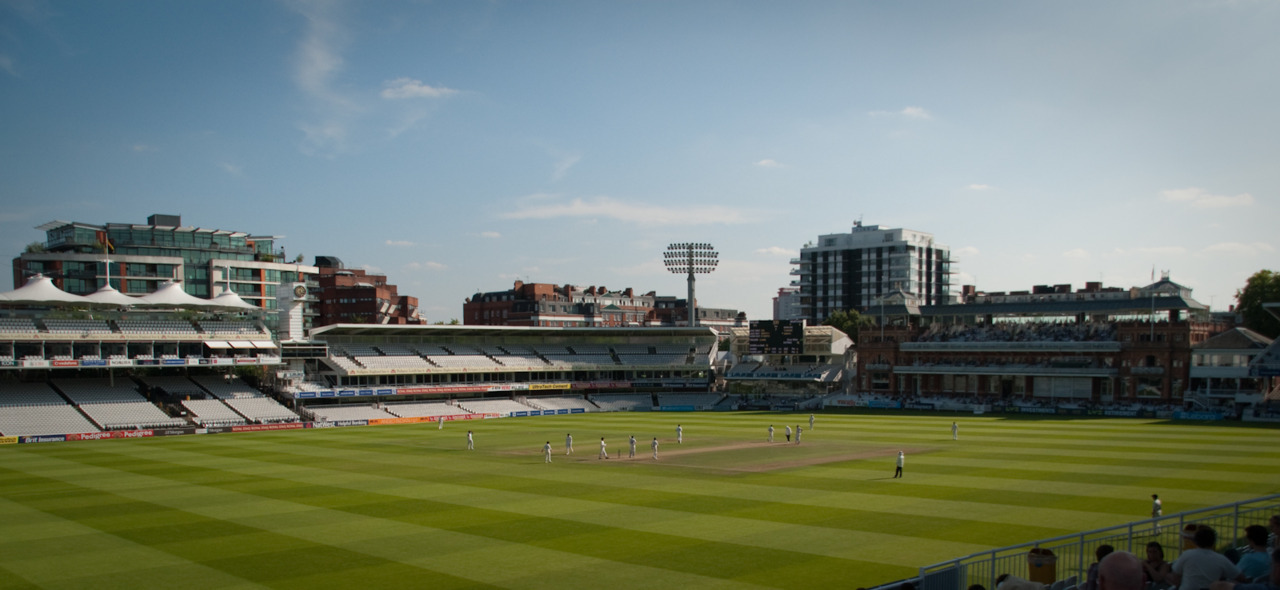
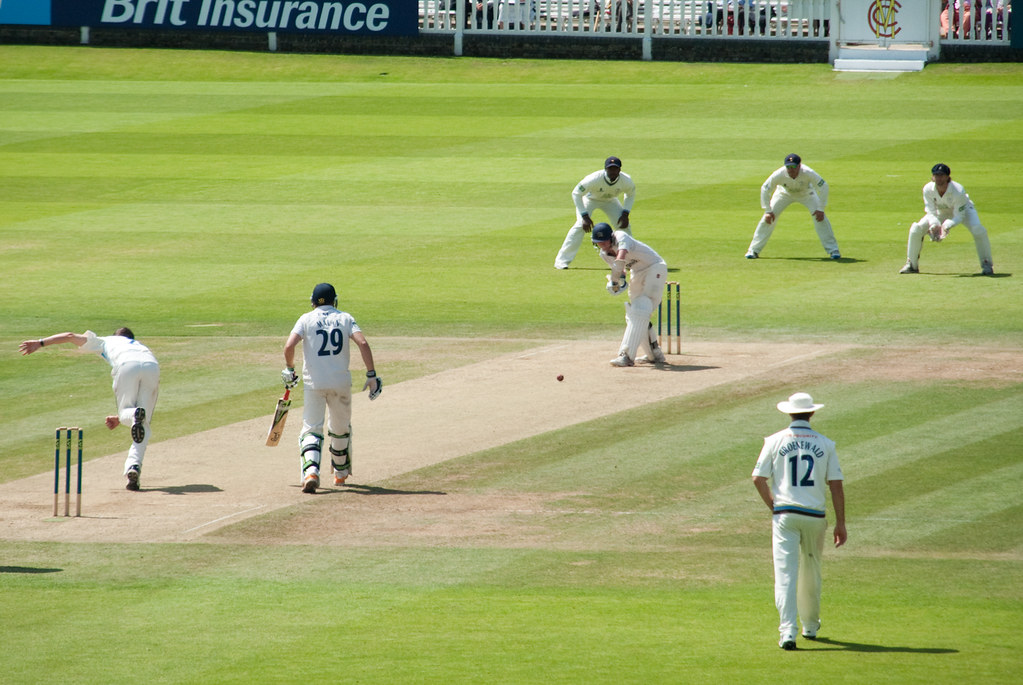
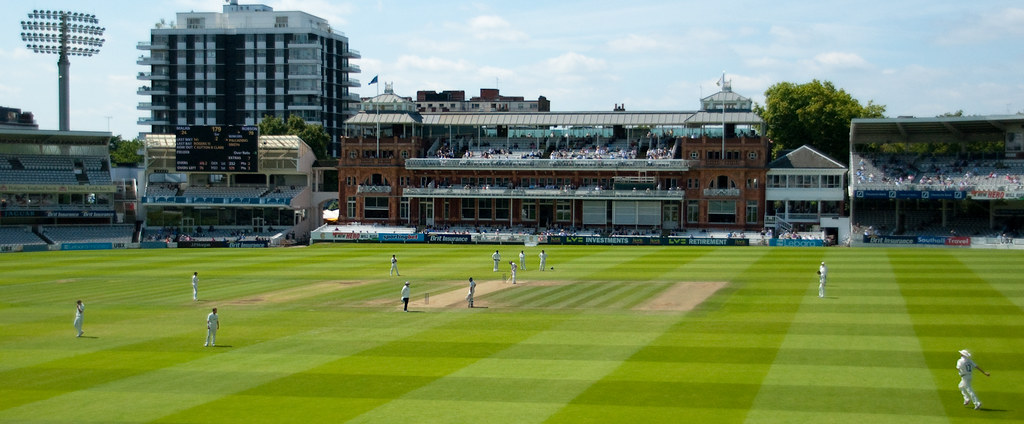
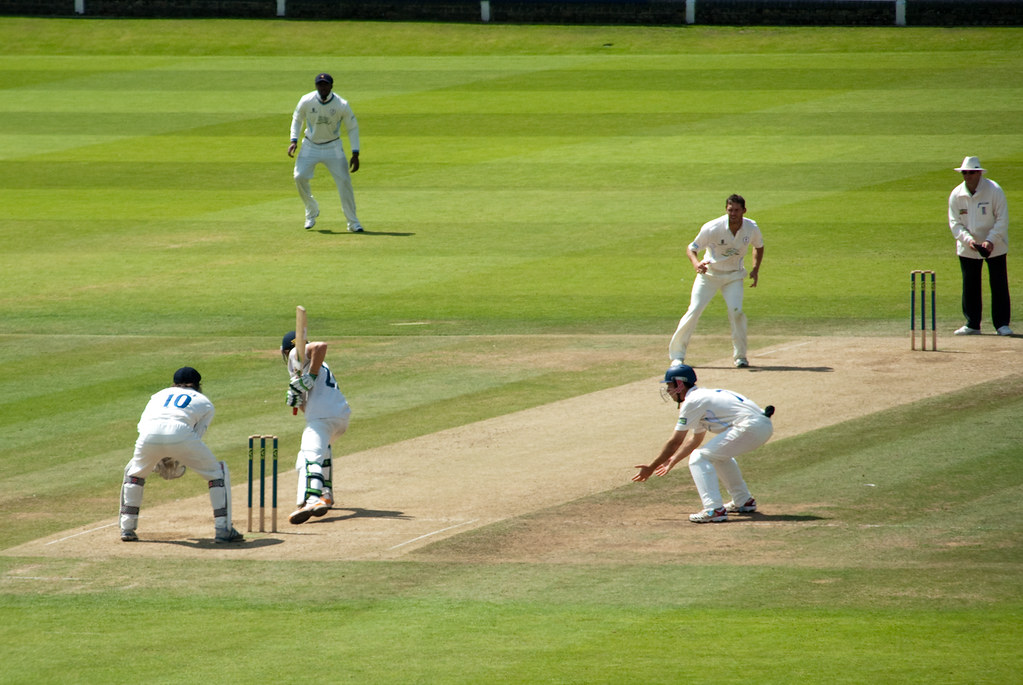
At Lords.
Once in a while there’s something special about taking some time out just for yourself and settling down for an afternoon at Lords. Thanks to everyone who came down for making it a great day out.
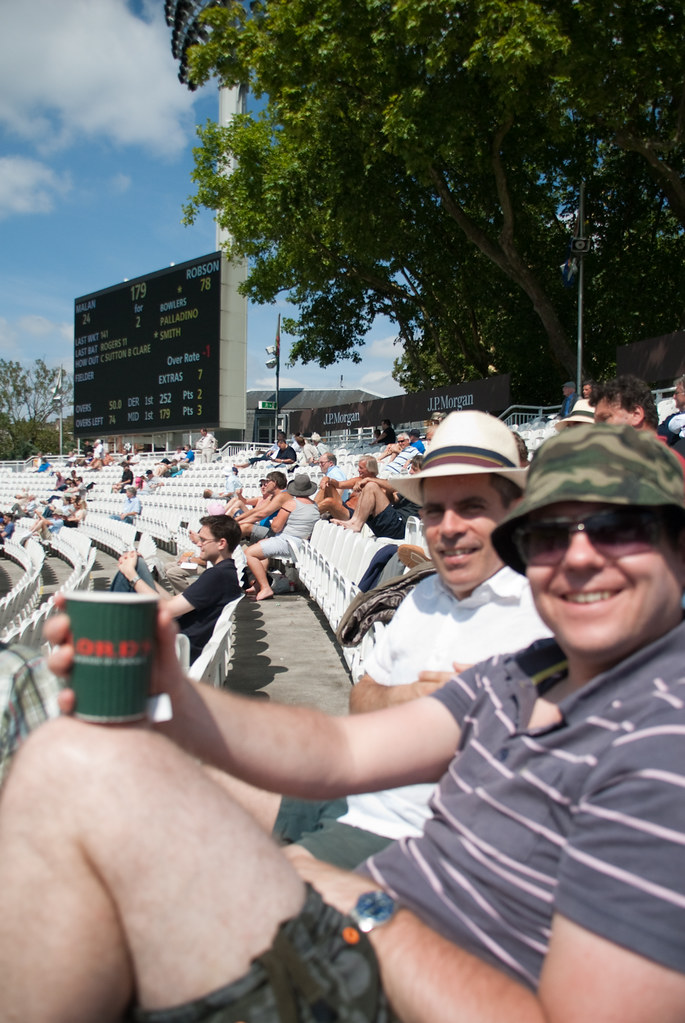
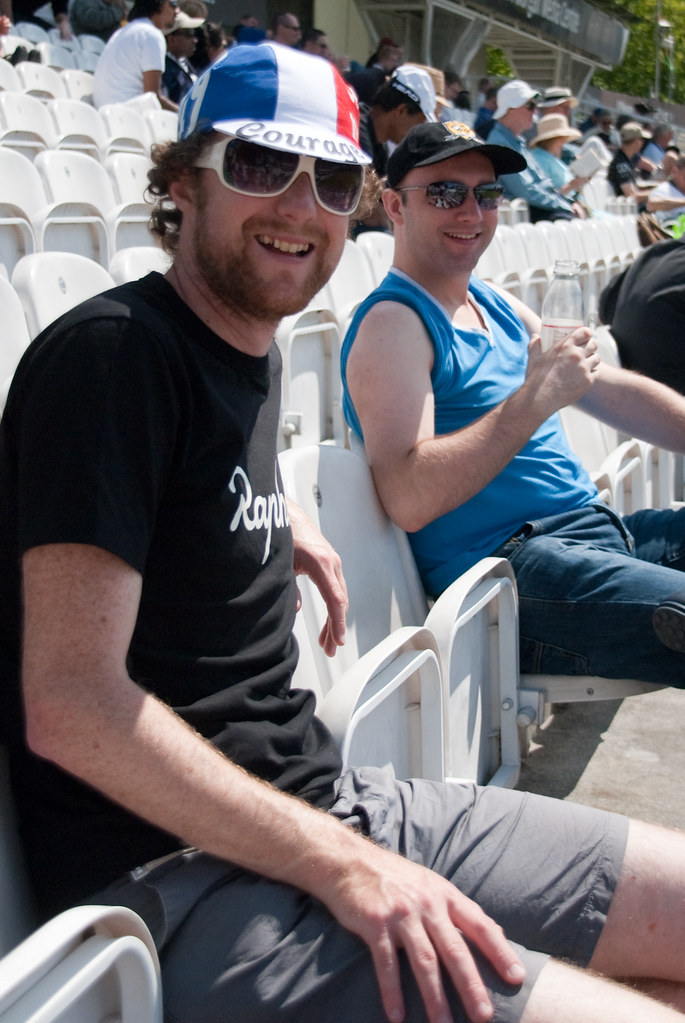
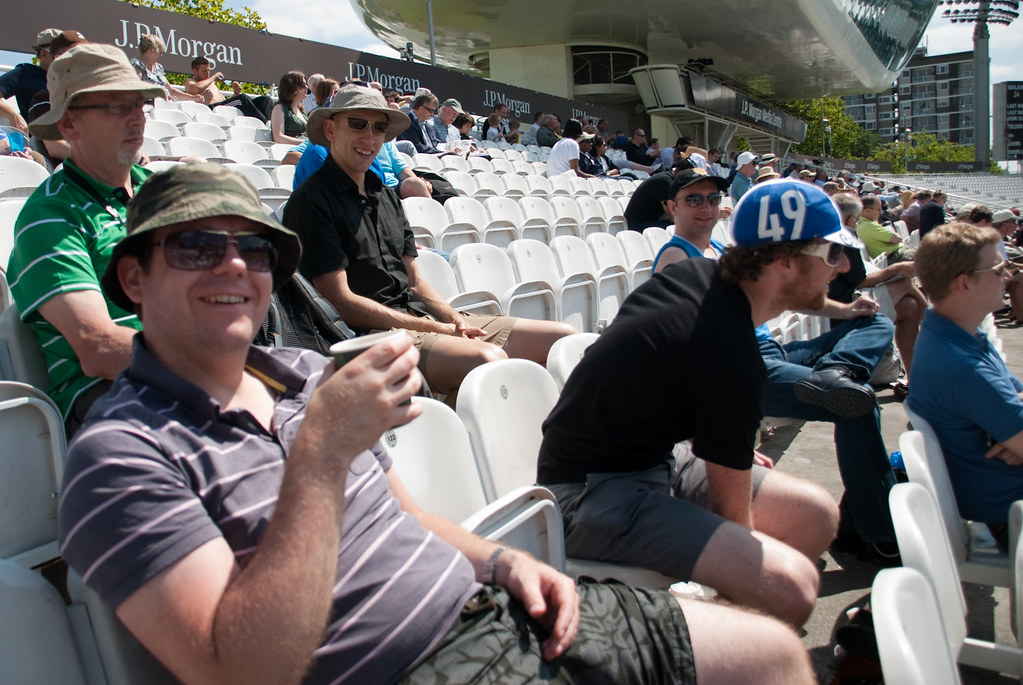
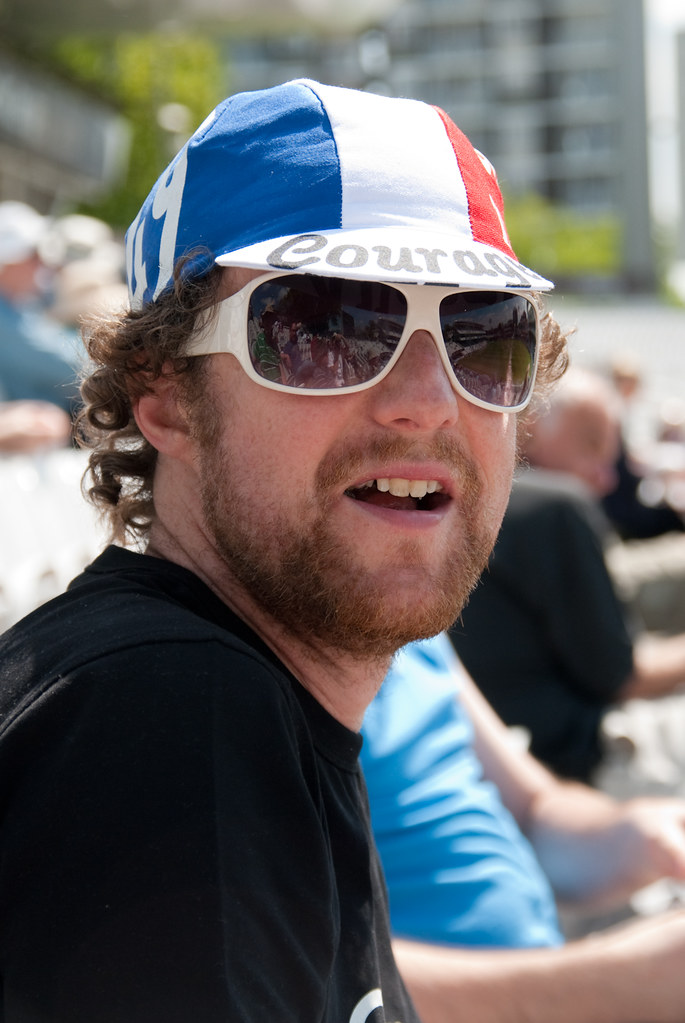
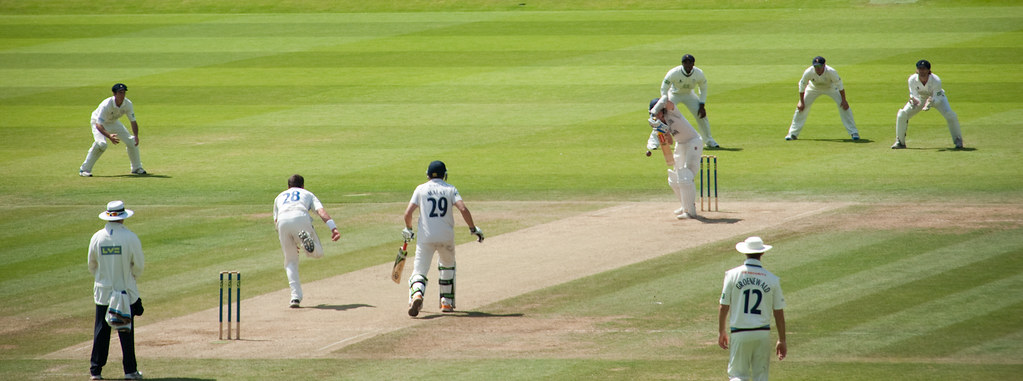
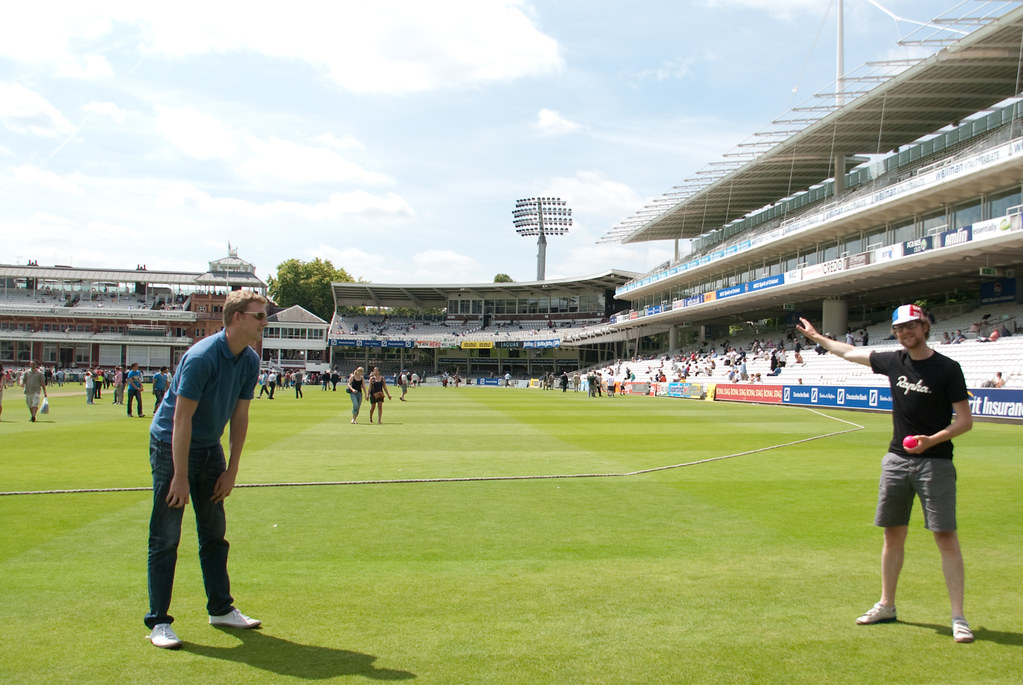
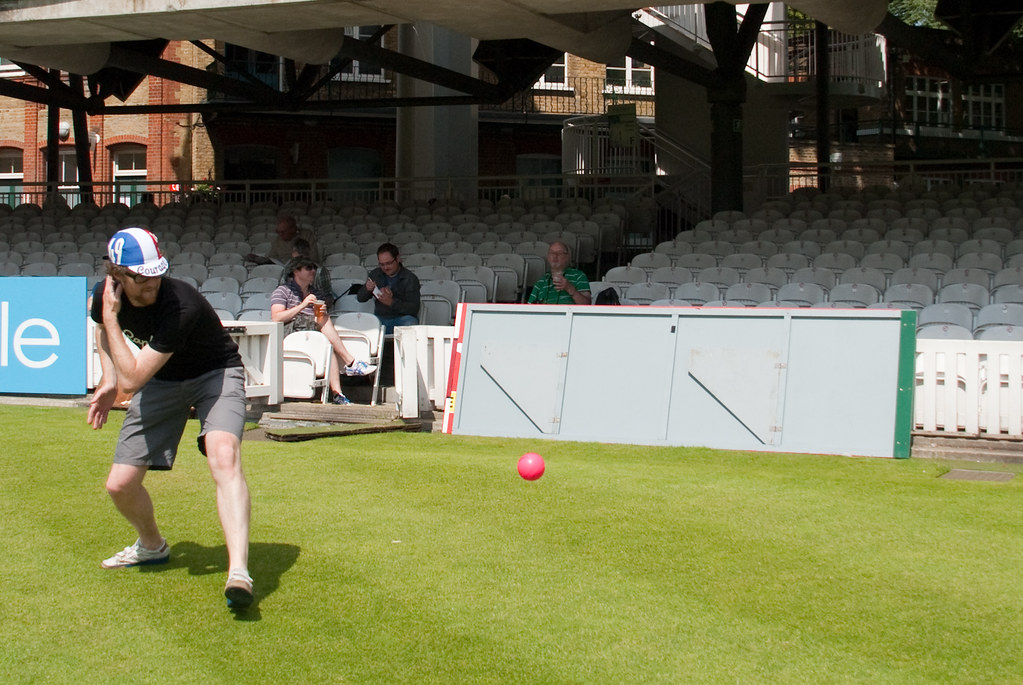
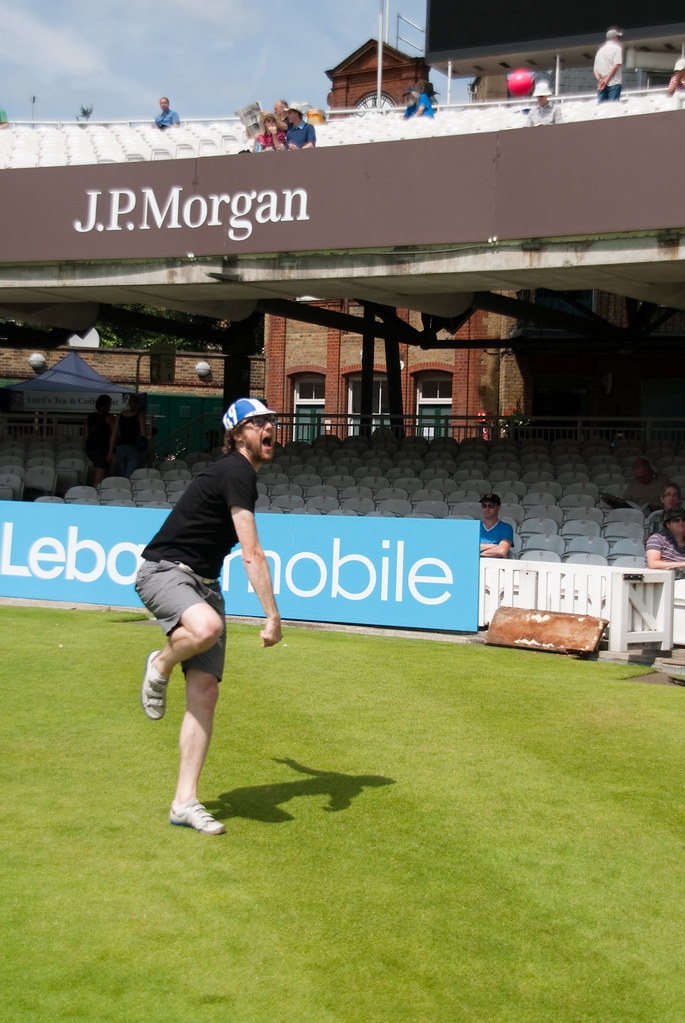
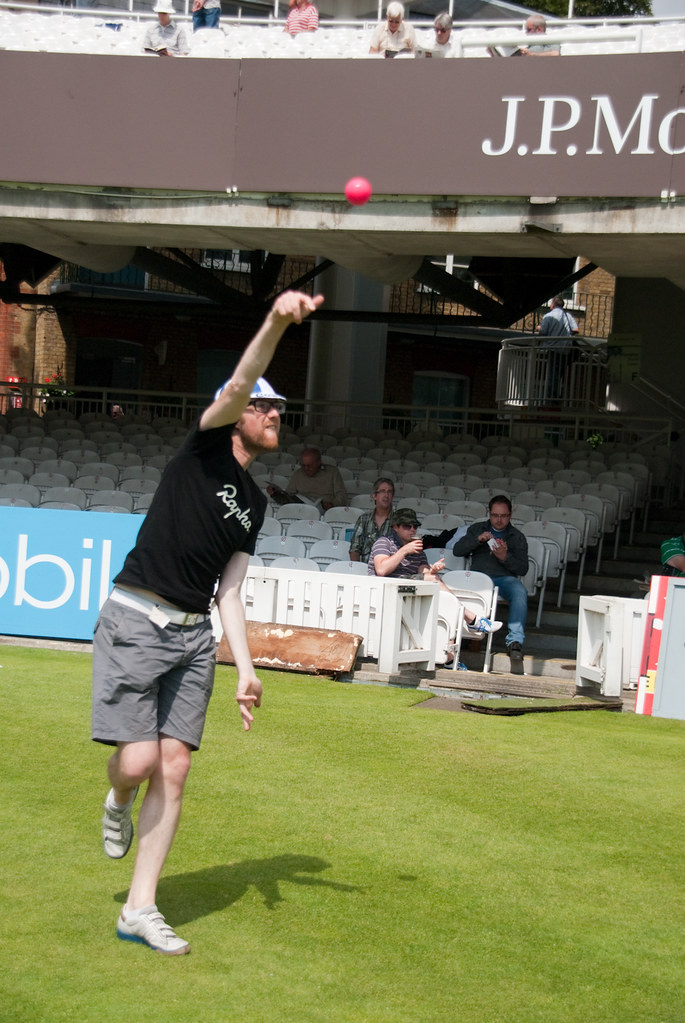
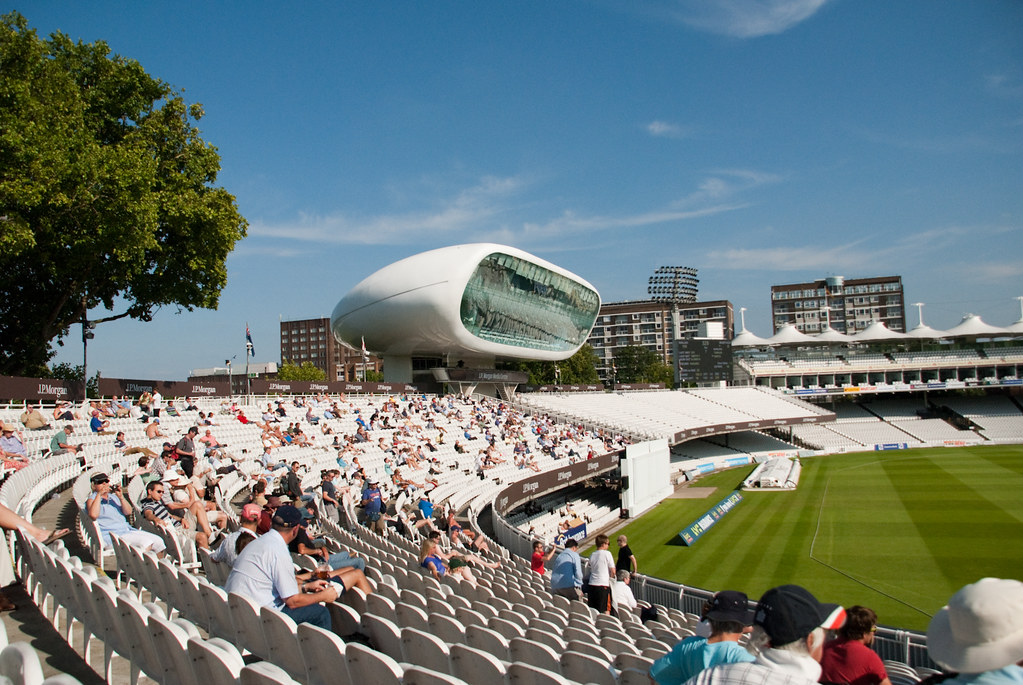
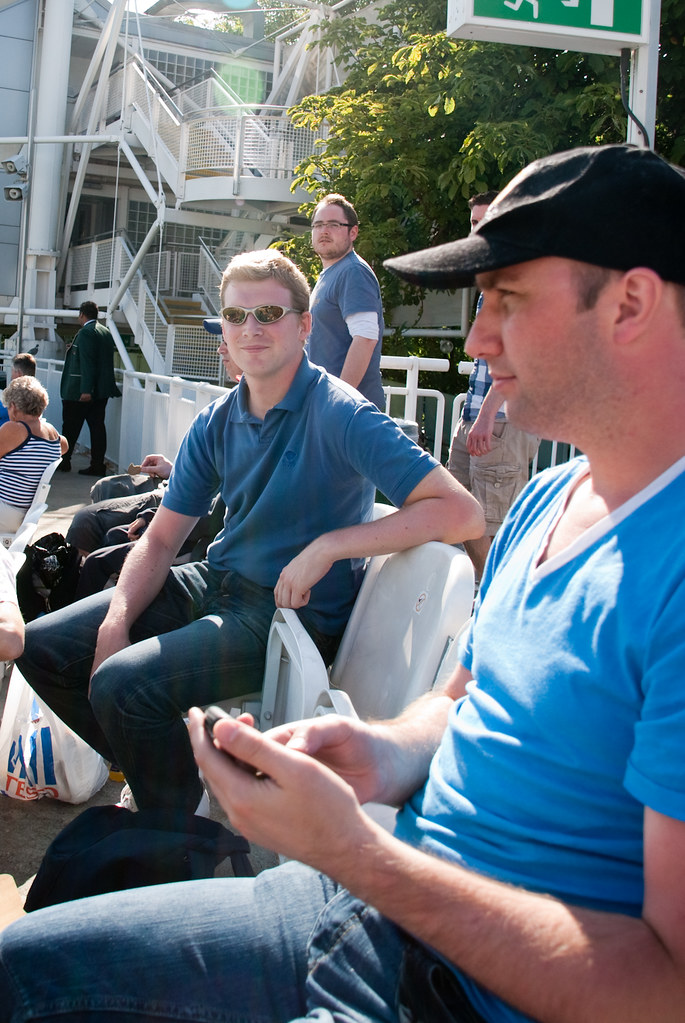
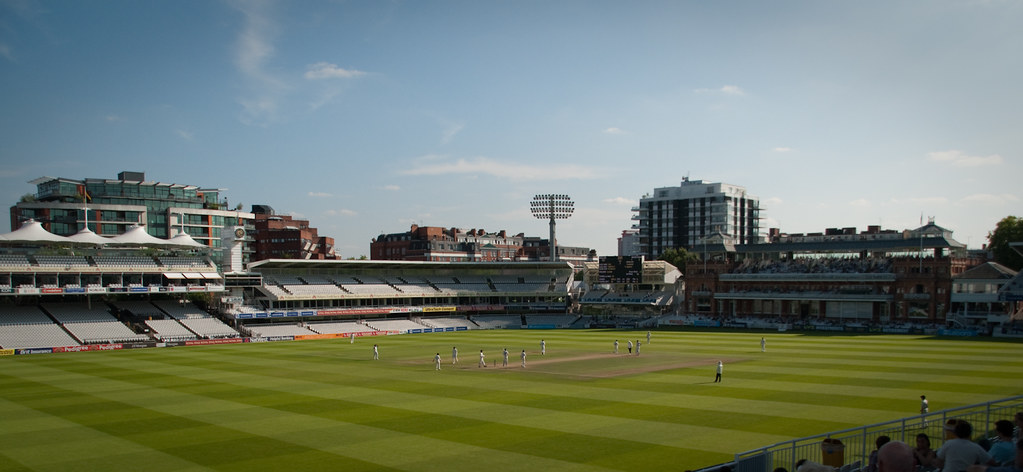
2011-08-01 09:38:52 GMT permalink
Lives of the Artists (2009) - A short review
Dir. Ross Cairns
In ‘Lives of the Artists’, Ross Cairns takes three different, but in his view, related 'artists’. These are not painters or sculptors, but a British and Irish trio of surfers (Tom Lowe, Fergal Smith and Mickey Smith), a French free-riding snowboarder (Xavier De La Rue) and a hardcore band from Watford (Gallows).
Cairns’ belief is that these disparate creative practitioners, through their commitment, dedication and the passioned execution of their various disciplines are true artists. They are able to communicate in a powerful yet abstract way. This thesis, here beautifully illustrated in high-definition and often in slow-motion, is often found in more cerebral soul sports publications, and when accompanied by such stunning cinematography is persuasive. However, Cairns’ exposition is undermined by his subjects.
To be an artist is to communicate, and all three subjects are communicative, both in their chosen fields and in individual pieces to camera. But to be an artist, as opposed to an aspiring artist, there must be something to communicate, a life lived. Unfortunately, as so often in soul sports and contemporary music, the candidates offered here know too little of life to be genuine artists.
That’s not say that the talents of those on show are not exemplary, and in time they may go on to excel and transcend their individual disciplines, but only Xavier De La Rue is able to suggest something other than committed obsession. In one chilling sequence De La Rue talks of his renewed resolve and love of the mountains after a near fatal avalanche. It’s a moving moment, especially when accompanied by footage of the 'chute’.
Ultimately the film fails to prove the theory. It is a beautifully illustrated and argued point, but perhaps due to budget or sponsors involvement the triptych is uneven. This is unfortunate as Cairns is able to move effortlessly between the disciplines and carefully constructs his narrative. A flawed, but engaging film.
2010-02-07 23:28:39 GMT permalink
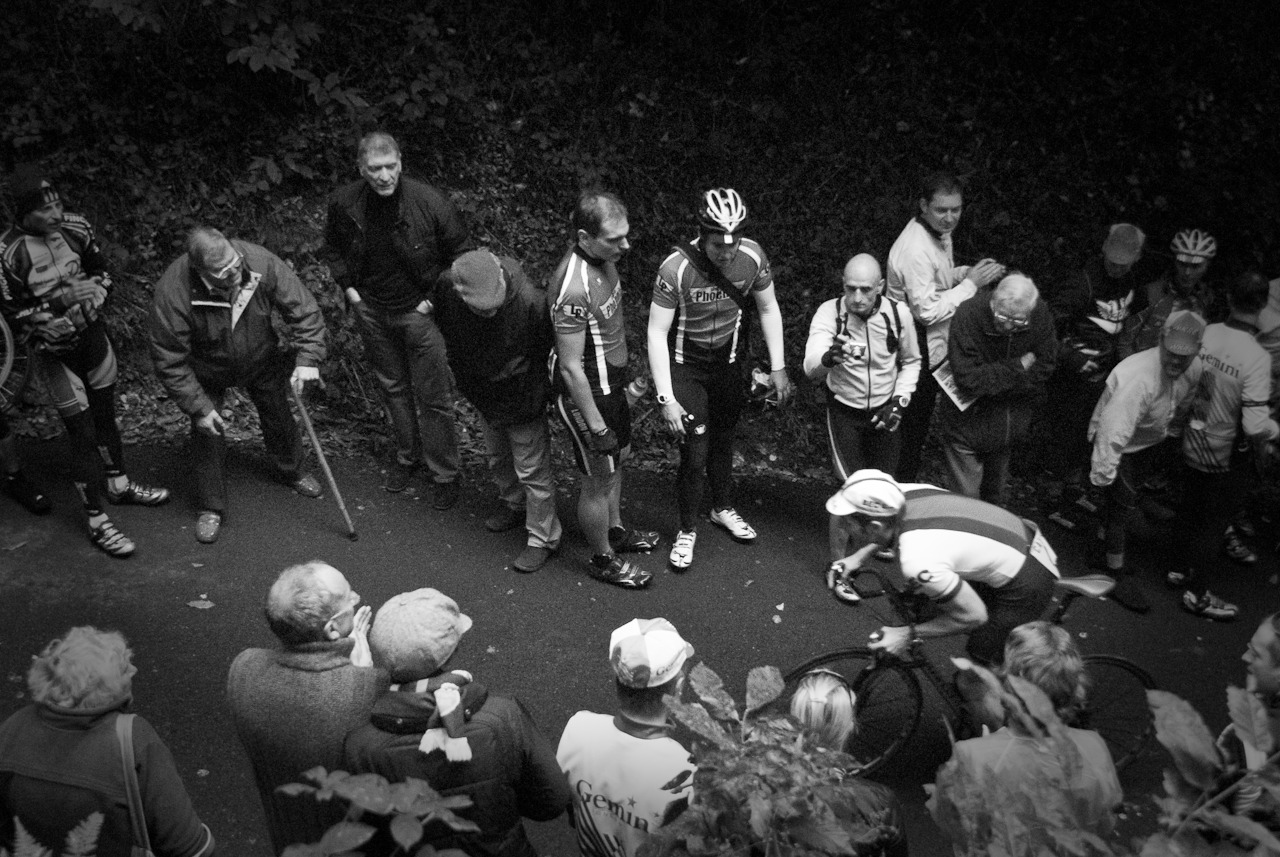
Sunday morning. It’s overcast, but dry. Along the top road at Goathurst Common not far from Sevenoaks, there’s a a gentle hum of rollers and turbos whirring as the riders warm up. A long queue of spectators stretches back from the tea hut and the smell of bacon fat mixes with sweat and embrocation. There’s a good crowd lining the upper slopes of Yorks Hill, 707 yards of gradient, for the 114th Catford Hill Climb. The oldest continuing cycle race in the world brings out all types of riders and plenty of supporters to urge, cheer and cajole them up the viscous climb. There’s an average gradient of 12.5% but with a couple of nasty sections of 25%.
More pictures on flickr.


2009-10-11 15:51:00 GMT permalink
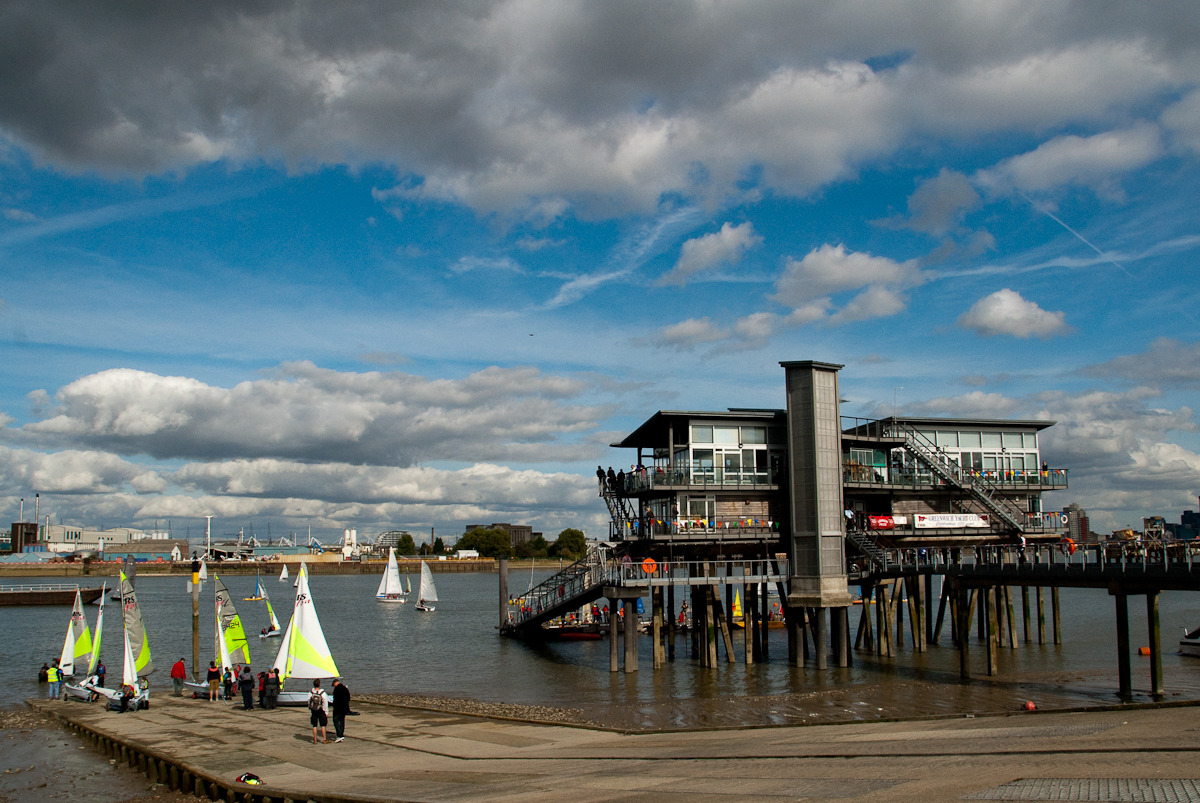
Sunday afternoon. Under the silent gaze of the Thames Barrier and the few remaining sites that make it possible to avoid describing Greenwich Peninsula as post industrial, dinghy racers make their maneuvers. Greenwich Yacht Club is a hidden gem, tucked away near what is corporately known as the O2. It’s a friendly, welcoming place, with a cracking bar and amazing views, especially on bright autumn days.
It’s also another example of how London and especially SE London is hard to categorise. The mainstream media routinely fail to understand or connect with this part of London. In a couple of years the Olympics will be taking place just over the river from the yacht club. The rowing and sailing events will be taking place a long way from the east of London (at Windsor and the Solent). It probably wouldn’t be possible to hold all of the Olympic events on this stretch of the Thames - but I’m sure some of the events could take place within the M25.


2009-10-04 18:19:00 GMT permalink
A view of the cultural Olympiad getting underway in Greenwich Park (lo-res pic via iPhone)
2008-09-26 18:42:00 GMT permalink
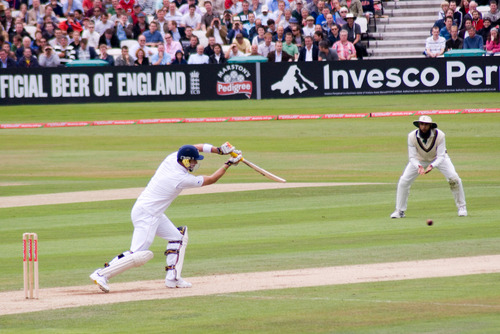
A day at the Test Match, more pictures here
2008-08-08 23:25:00 GMT permalink
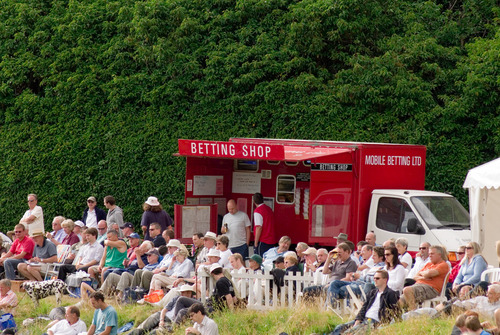
Life before Betfair
2008-07-25 08:03:00 GMT permalink