anthony galvin
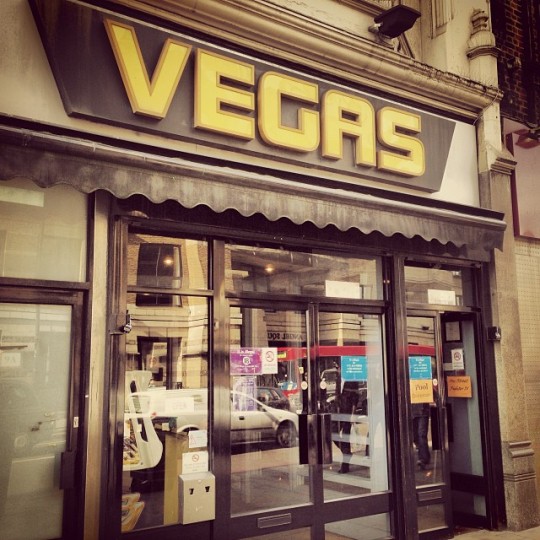
Nearly 15 years ago I got my first ‘digital agency’ job in an old warehouse conversion just off Upper Street. The commercial web was still pretty new (we also did interactive CD ROMs, remember them) and Angel wasn’t quite the urban trend fest it is now. There wasn’t too much to do over lunch so a few days a week a couple of us would head to Vegas and play time-crisis or CrazyTaxi. The industry, games and Angel have changed almost beyond all recognition in that time. Today I went for a stroll round some of those old places and amazingly Vegas is still there.
2013-09-27 17:38:32 GMT permalink
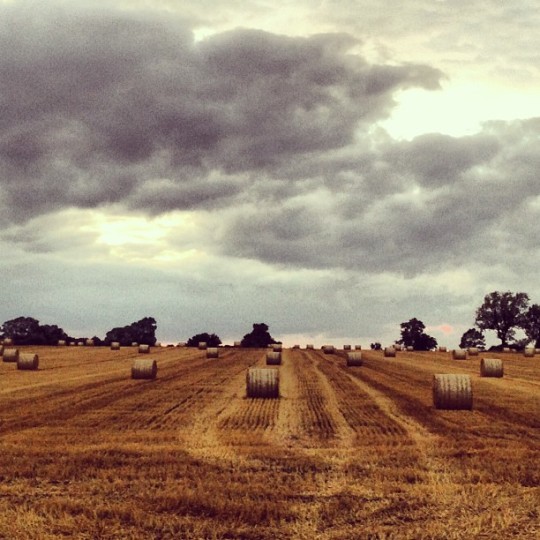
Harvesting
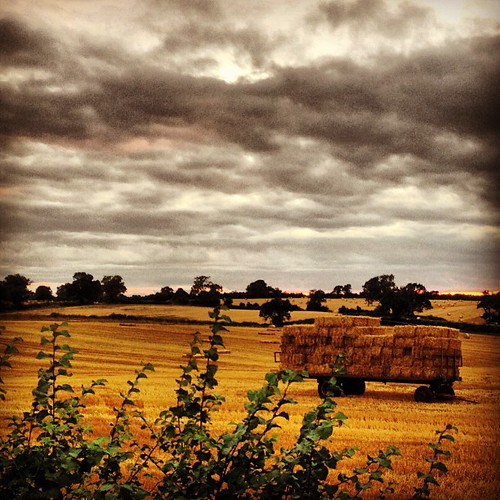
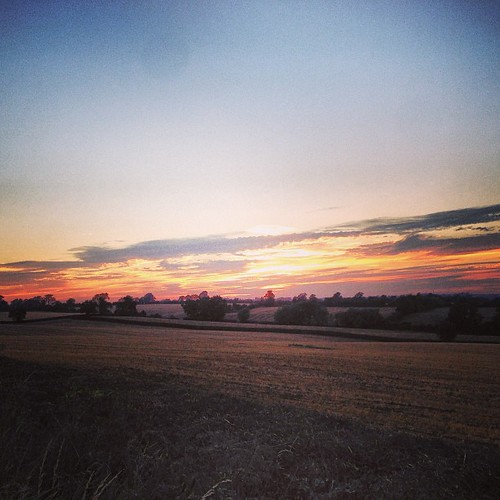
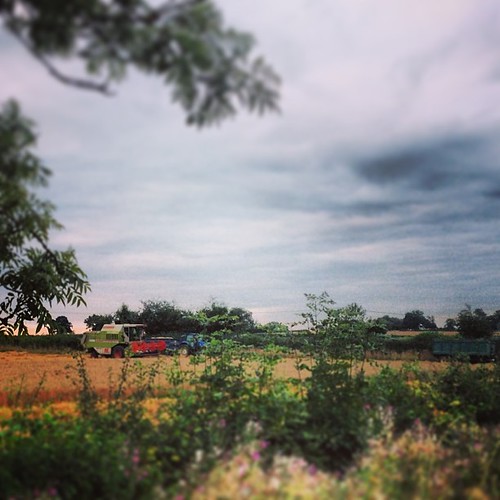
Over the last few weeks, dusk has been falling noticeably earlier, and as I’ve been riding home, up to the village, there are lights moving across the fields. Farmers working late to bring in the harvest. Later after I’m home and hosed, the combine harvesters noisily edge past our front door, heading back to the farms on the other side of the village.
Today I spent some time working at the allotment, putting the effort in now for next year, preparing the ground. Sometimes you need to do some prep’ and think of the future. Maybe this is the right time of year for making plans.

2013-09-07 23:51:00 GMT permalink
Not racing, not training and not commuting.
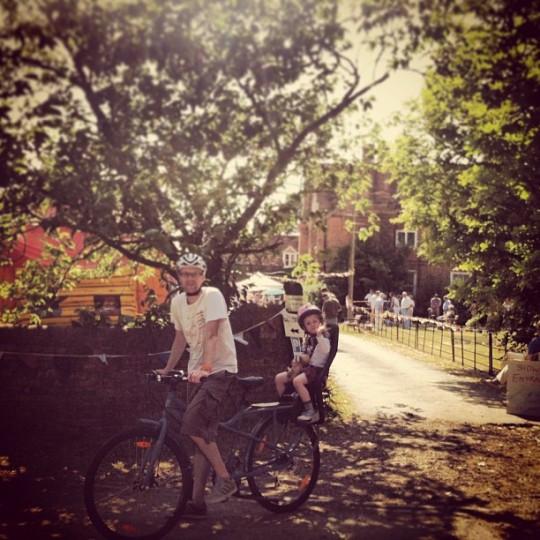
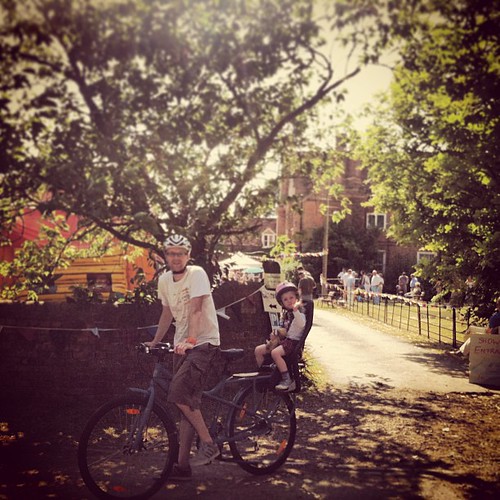
Our latest bike is a very different machine to my usual rides. The Kona MinUte, a small load carrying bike, is no XtraCycle, but it’s certainly capable of lugging a fair amount of gear around. Our aim isn’t to try and move large loads, but to get the girls out on the back of the bike. With a good sized platform (and some careful drilling for the Yepp Maxi bike seat mount), we should be able to get 2 passengers on the back, but for now it’s set up for just one.
But it’s not the technical specs, gearing or comfortable position that makes this bike my favourite ride, it’s getting out on the road with Violet. Who knew load carrying could be so much fun.
Photo: Violet and I heading home from Hoggeston Fête, taken by Emma.


2013-07-21 21:43:49 GMT permalink
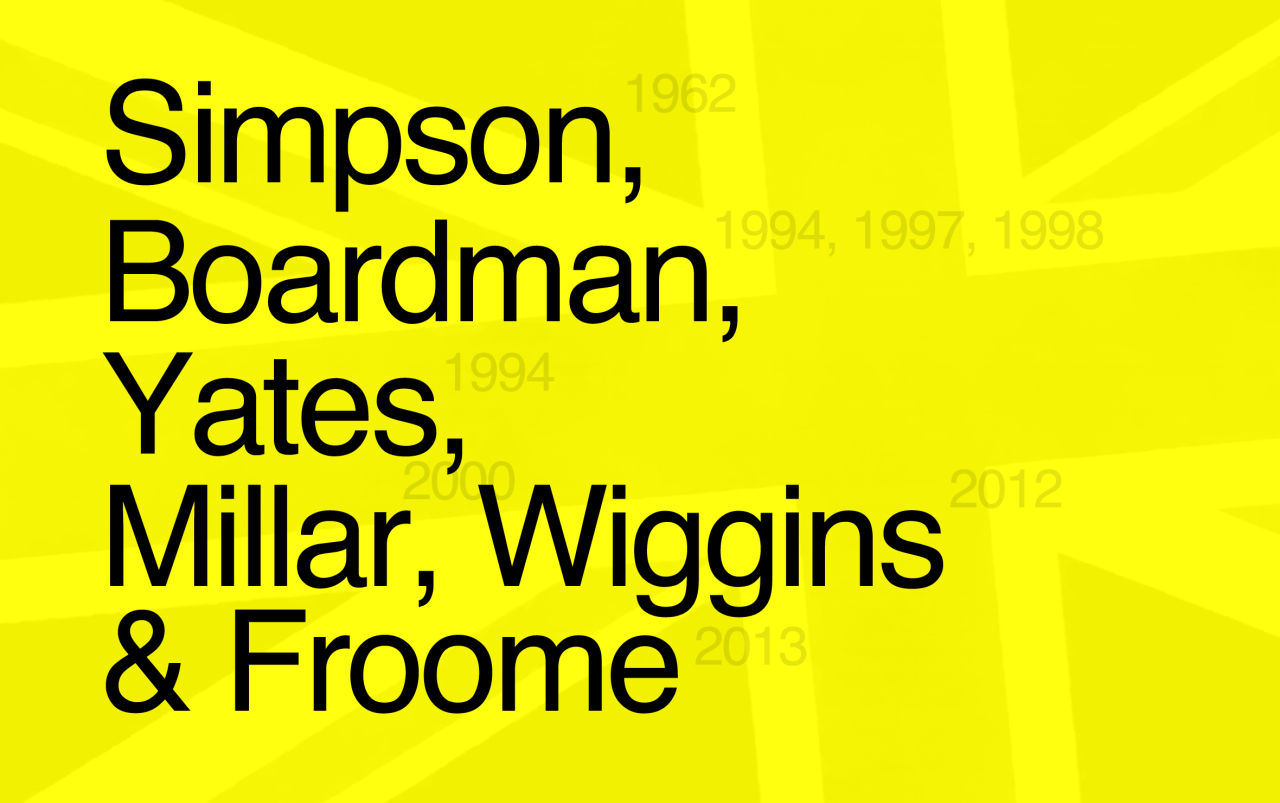
An update to a post I made this time last year adding Froome to the list of British cyclists who have worn yellow at Le Tour. As I mentioned when I posted about this before, nationalism and sport are tricky areas, especially when we start talking about British sports people. Of the people on the list only 3 were born in the UK (by birth Millar, Wiggins and Froome are Maltese, Belgian and Kenyan respectively), which throws into relief what British might mean in this context.
From my perspective I’d hope to cheer anyone who rides with panache in the pro peloton, but as a British cyclist myself I take some pride in the performances of people representing British cycling. So to these six I say Chapeau.
2013-07-18 11:35:00 GMT permalink
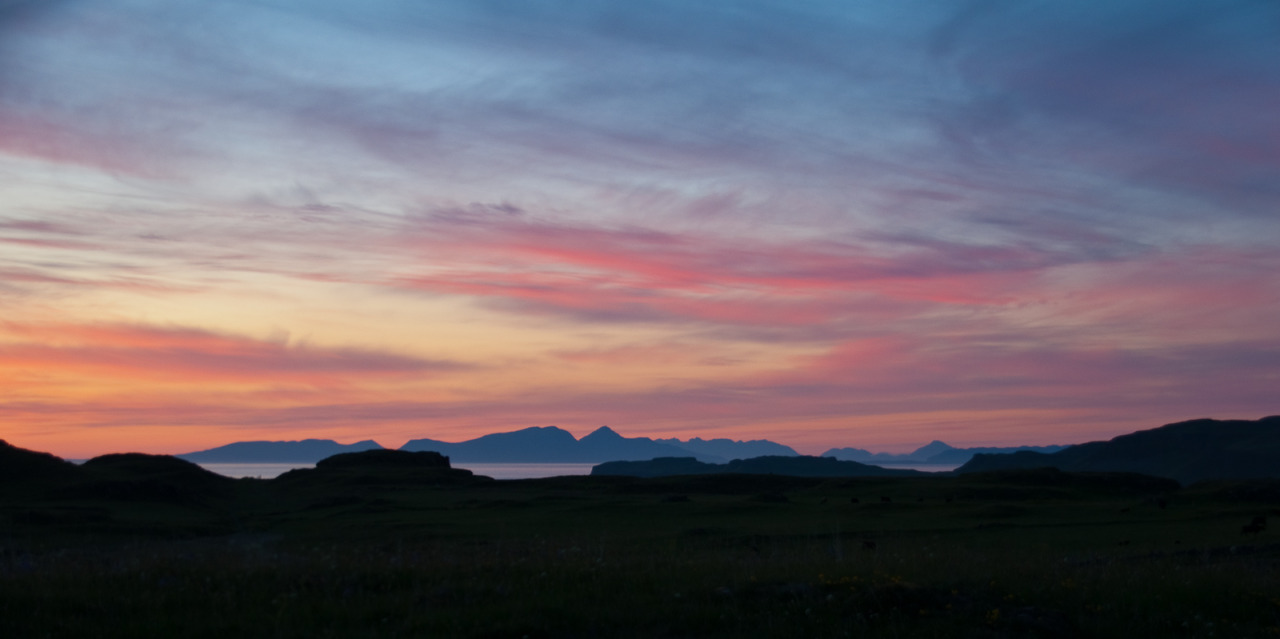
Mountains of the mind.
We’ve been back in Buckinghamshire for a couple of weeks, but the Isle of Mull - the mountains, beaches and views are still travelling with me.
Sun set from Treshnish. Looking out over Eigg, Rum and Skye.
2013-07-07 21:26:38 GMT permalink
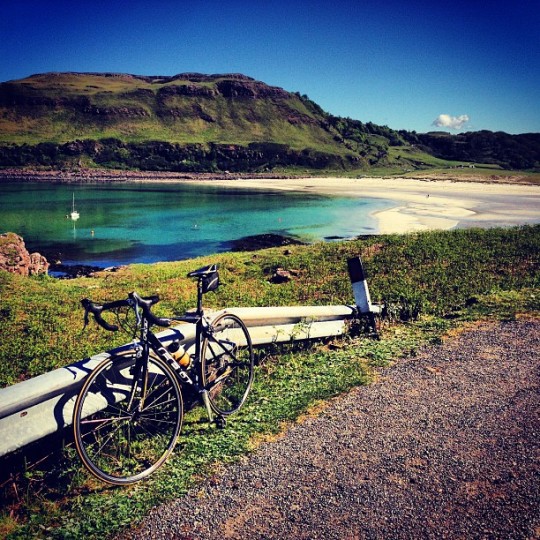
Gone for a ride…
Calgary Beach, Isle of Mull, Scotland
2013-06-13 12:02:08 GMT permalink
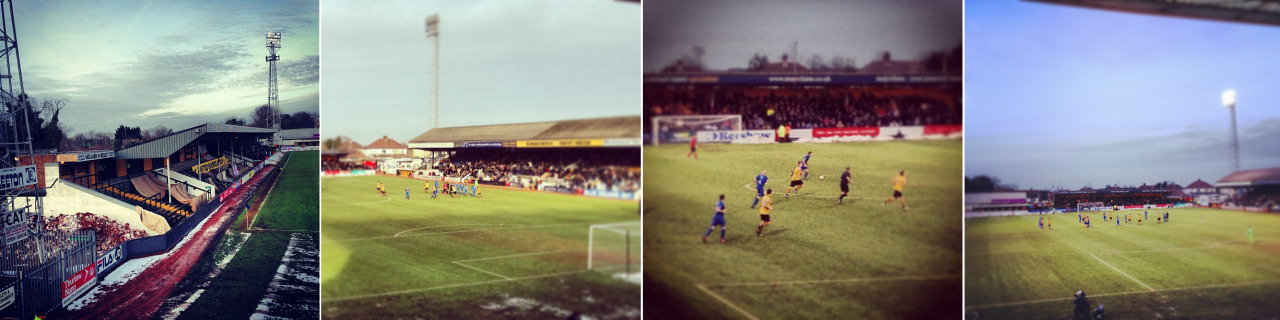
Belief.
A cold afternoon, warmed by the tension of watching my team. My team - a strange phrase. They’re clearly not just mine - on this occasion I’m sharing them with the 700 other people who’ve decided to travel to the less than glamorous Abbey Stadium in Cambridge and pay £15 to sit in the away end (another 2000 or so locals are spread around the rest of the patchwork ground).
I’m always in the away end, that’s how I started watching them, with my dad at small grounds in the late 80’s and early 90’s. When football wasn’t an all pervasive fashion item that politicians and Hollywood a-listers were required to ‘like’. Not that this game is touched by much glamour. The Blue Square Premier League is a long way from the banal MOTD platitudes and millionaire showboating.
I don’t go and watch my team very often. For lots of reasons: money, family, geography, time. But one of the main reasons is that I don’t enjoy it. I can watch and enjoy most sport (except motor sport) and I enjoy watching football. But watching my team play is a long way from being a pleasurable experience.
It’s the tension, the stress.
The stress of getting to a ground in a town you don’t know. Arriving, taking a glance at the programme and with the dawning realisation that there isn’t a single player on the team who was playing for the club last time I watched a game. That strange superstition of not sitting down until the referee blows his whistle (I have no idea where that comes from). As the game progresses it gets worse. A knot in the stomach, voice growing hoarse, willing a good result. Those nearly moments - an almost great pass or the ball striking the bar. The collective frustration that pours out of the stands when a basic error is made.
Suddenly the end of the game approaches, nervous glances at my watch. The board held up for a few minutes of added time. Which drains away like the belief in fading light. Perhaps one last change and then the final whistle.
No win today. No end to the run of games without seeing them win. My team. Next time they’ll win. Next time I’ll enjoy it.
2013-01-27 23:57:00 GMT permalink
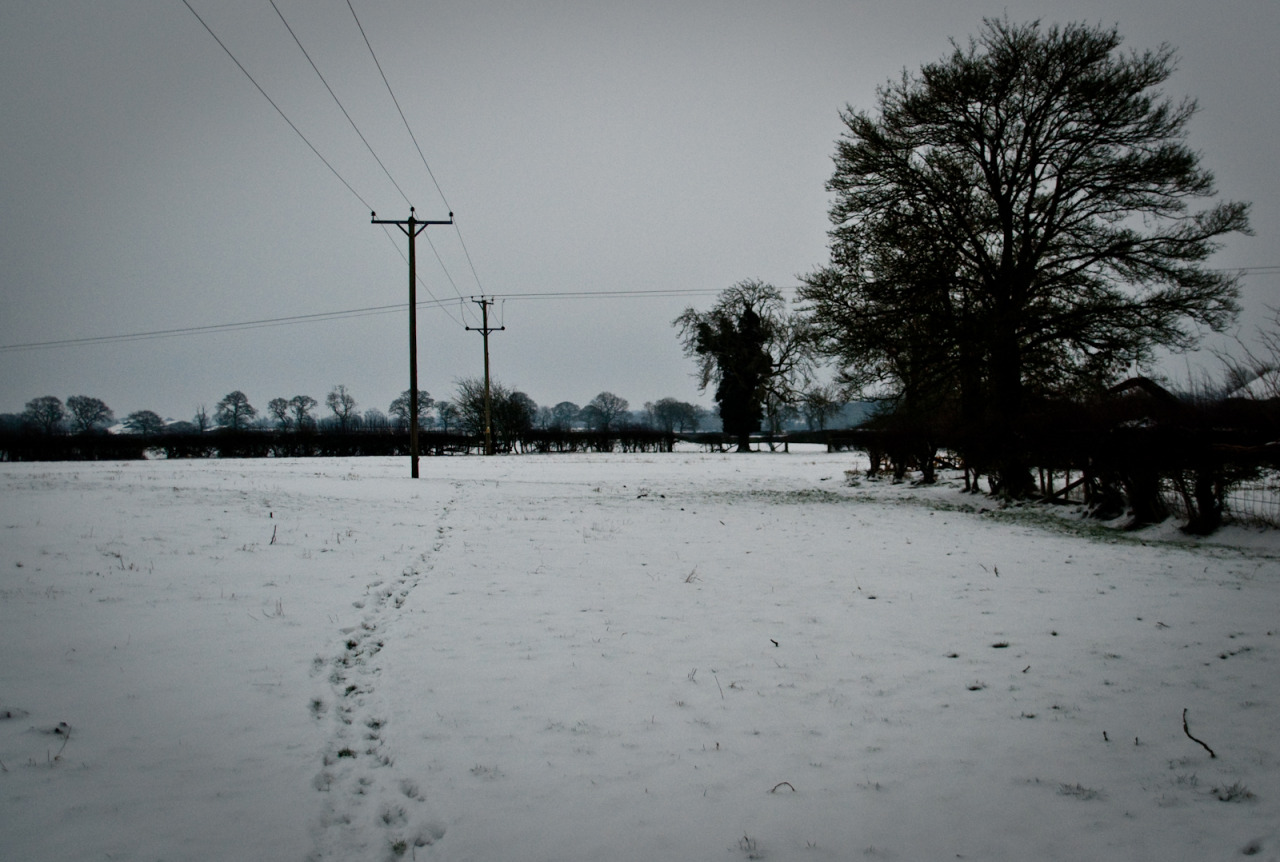
Monochrome.
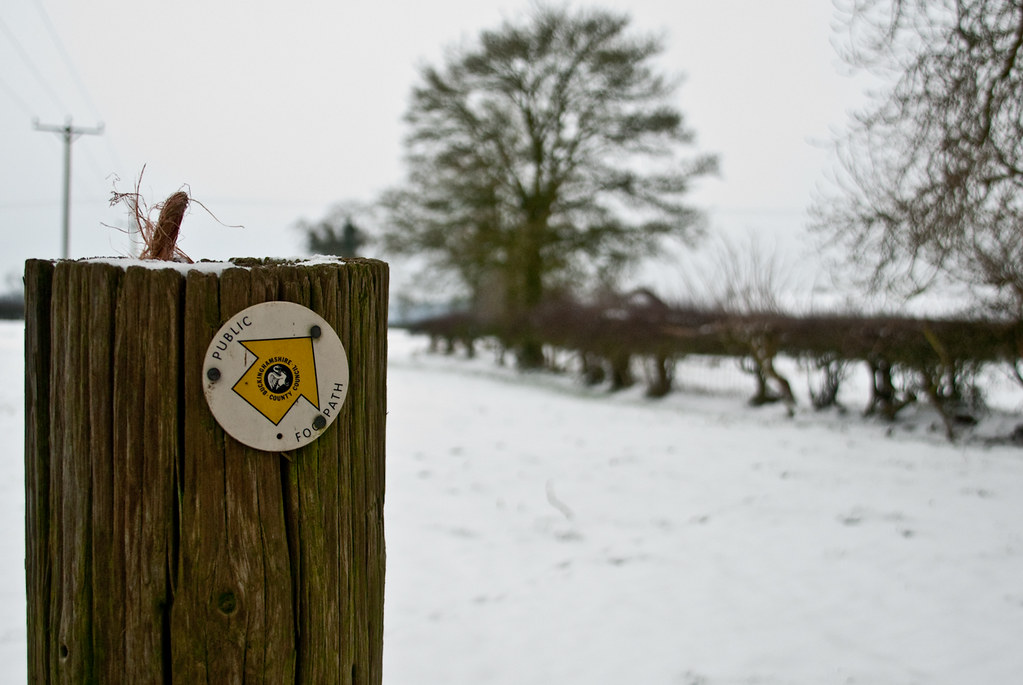
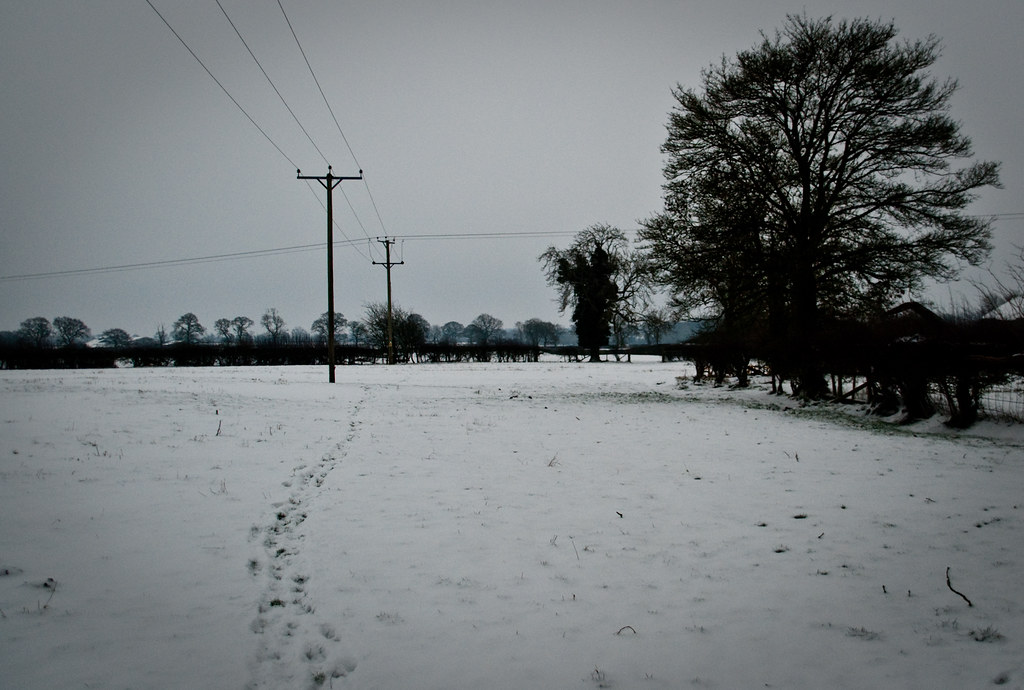
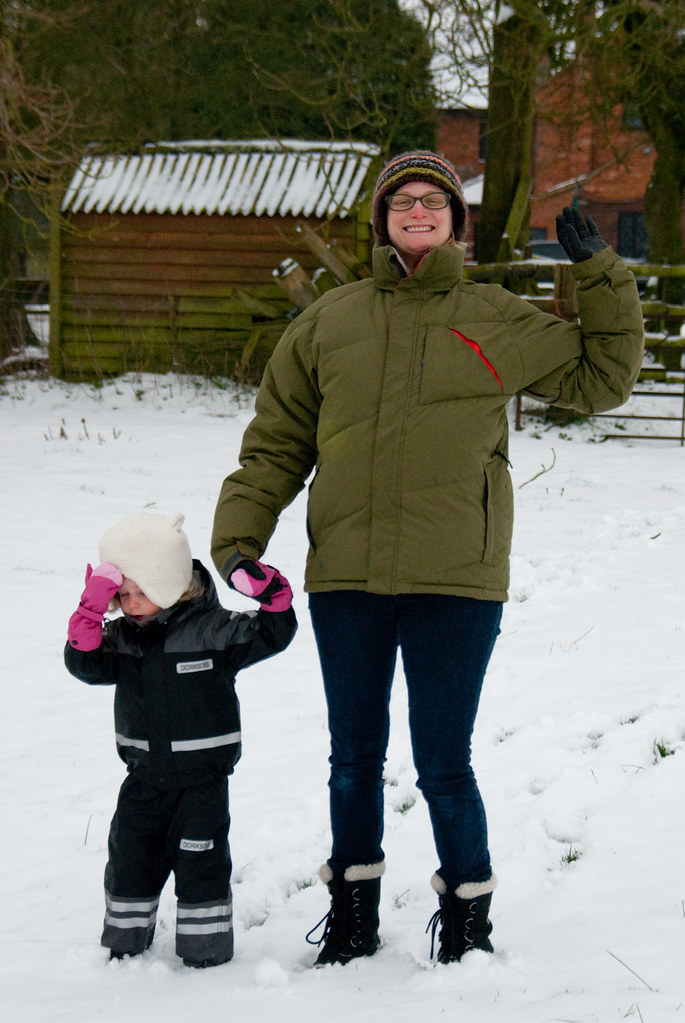
Heavy skies, grey and laden with snow. Snow that falls slowly, dampening sounds and flattening perspective. A tramp across the fields, heavy work, snow crunching underfoot - the percussive sounds of winter.
The world seems asleep, but no less beautiful for it. In the fields beyond the pub at the end of the village (where the windmill used to be), there’s little sign of life - just some abandoned old pieces of farm machinery, a couple of very territorial robins and footprints leading out across the fields.

2013-01-20 22:40:00 GMT permalink
The marginal gains of innovation.
Innovation in digital advertising.
Innovation in advertising.
Innovation.
How do you create an environment and attitude that allows people to innovate on a daily basis? Is it possible to create a culture of innovation?
There’s an increasing tension pulling at the commercial web. The commercial web being that part of the internet that’s trying to sell you something - even if that something is as intangible as brand or an idea or maybe even an emotion. This commercial web is becoming ever more formulaic and codified. Measured in an analytic sense, but also in a careful way. There’s a pattern to campaigns, to exploiting social media with the big players. Facebook, Google and Twitter drawing more and more users and therefore advertisers into their orbit.
Pulling against that is something that dates from the old web. The web of the 1990s. A culture of the new, the different - embodied by the continued evolution of the semantic web, the constant pushing and poking at the boundaries of the browser by people trying to maximise what can be achieved with JavaScript, HTML(5) and a good idea. Creating the expectation, the necessity, that the web must continue to evolve and innovate. It’s a long time since advertising was just a great 30 second TVC or even a nice and shiny corporate web site, it’s the way you do business, how you answer tweets and how customers feel about you and your product. Everything is marketing.
If you believe this to be true, that innovation is the key to stepping beyond the confines of the formulaic web, and therefore, standing out and being noticed, then how as an organisation do you make this one of your goals. Can you codify innovation? Make it reproducible? Isn’t that just like planning to be spontaneous. For teams involved in creating for the commercial web, innovation can not be something that happens in a vacuum, away from results - the formulaic, measured web has seen to that. This isn’t a story about “being brave enough to fail”. Client success isn’t a nice to have.
We seem to wrestle with this most days at work. I certainly don’t have all that many answers. Yet. But I’ve noticed that the most innovative projects I’m involved in have thse ingredients.
1. Be a team
Not just a group of people who happen to be free at the same time and who the resource manager and producer have cobbled together. That might be how the team gets selected, but it needs to evolve quickly into a genuine team.
2. Iterate
The big idea is great. Someone probably needs to have one at some point in the process, but that’s really just a beginning. Innovation isn’t the eureka moment. Or rather it’s not one big eureka moment, but normally hundreds of tiny innovations, back to back to back. Build something, make it better, change it, test it. Improve it. Some of the most innovative projects I’ve worked on recently haven’t really worked all that well right up until the last minute. There’s no such thing as getting it right - it’s a case of keep making it a little less wrong.
3. Be open to the marginal gains of innovation
There are opportunities to innovate across a whole spectrum of disciplines. The most effective innovation might come from the way you change the hosting, deploy your code, manage your daily scrum or prototype the user interactions. Nobody knows where this is going to come from, but it’s important to recognise any opportunity for innovation and grab it.
2013-01-19 00:44:17 GMT permalink
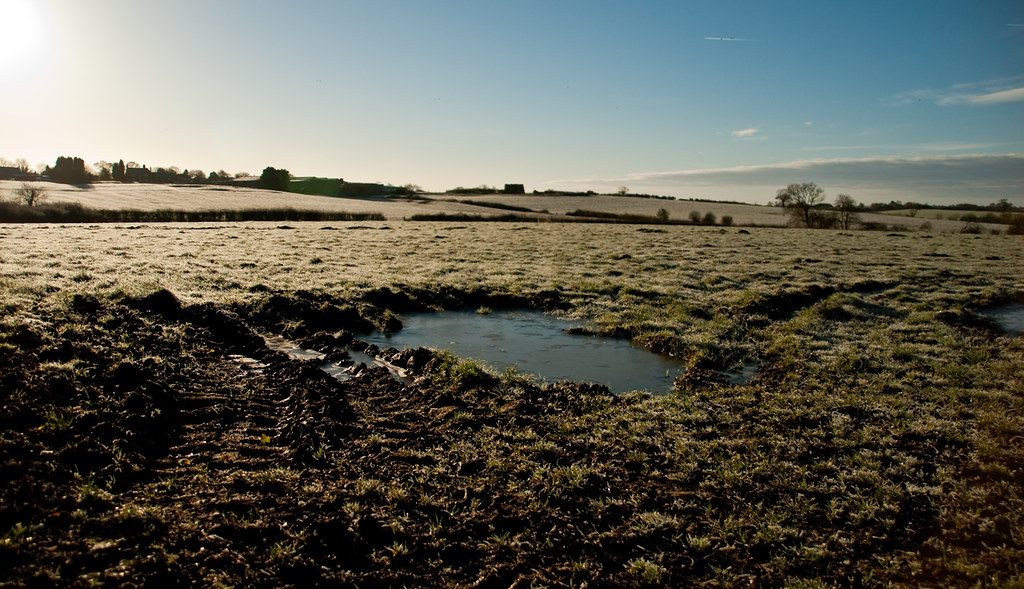
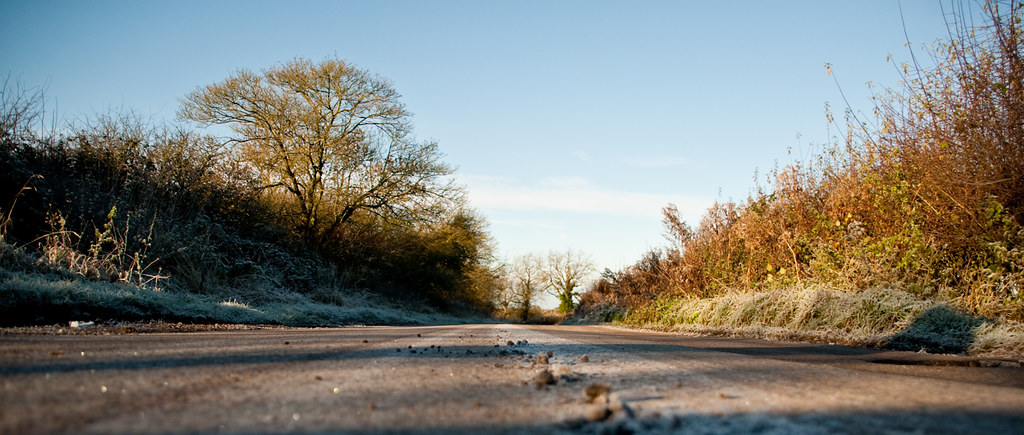
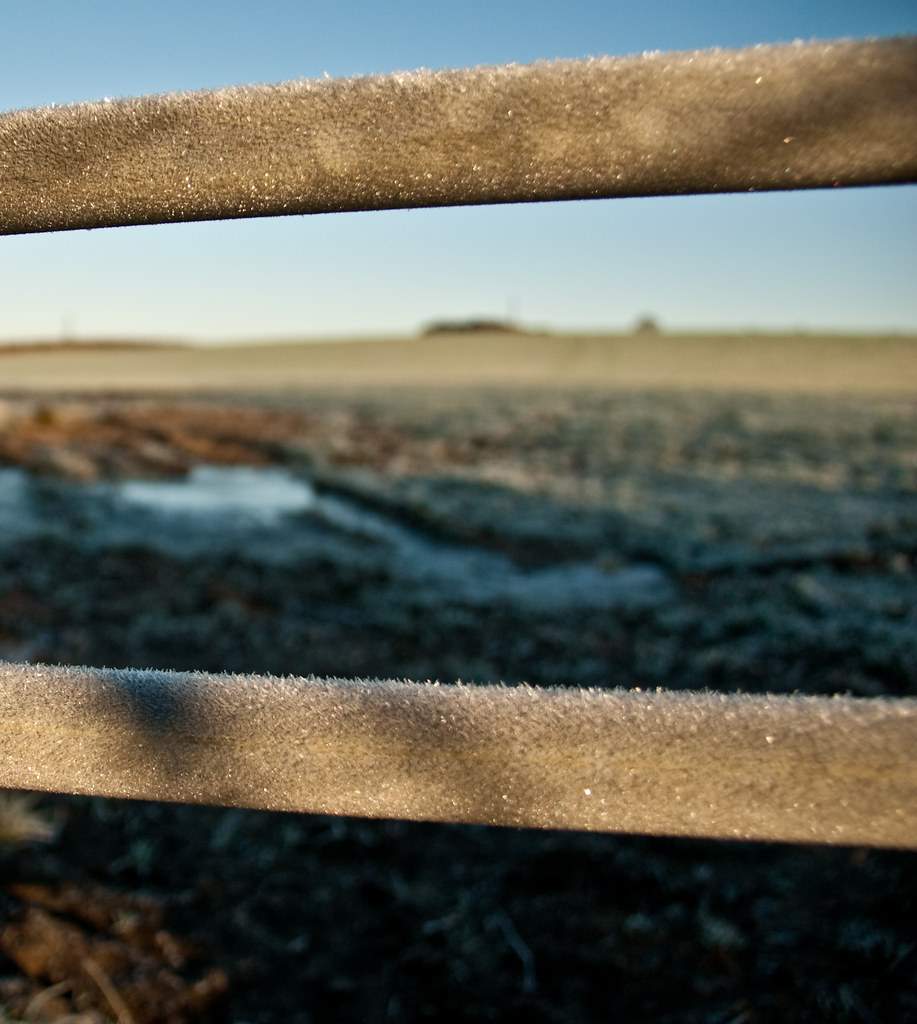
Cold roads.
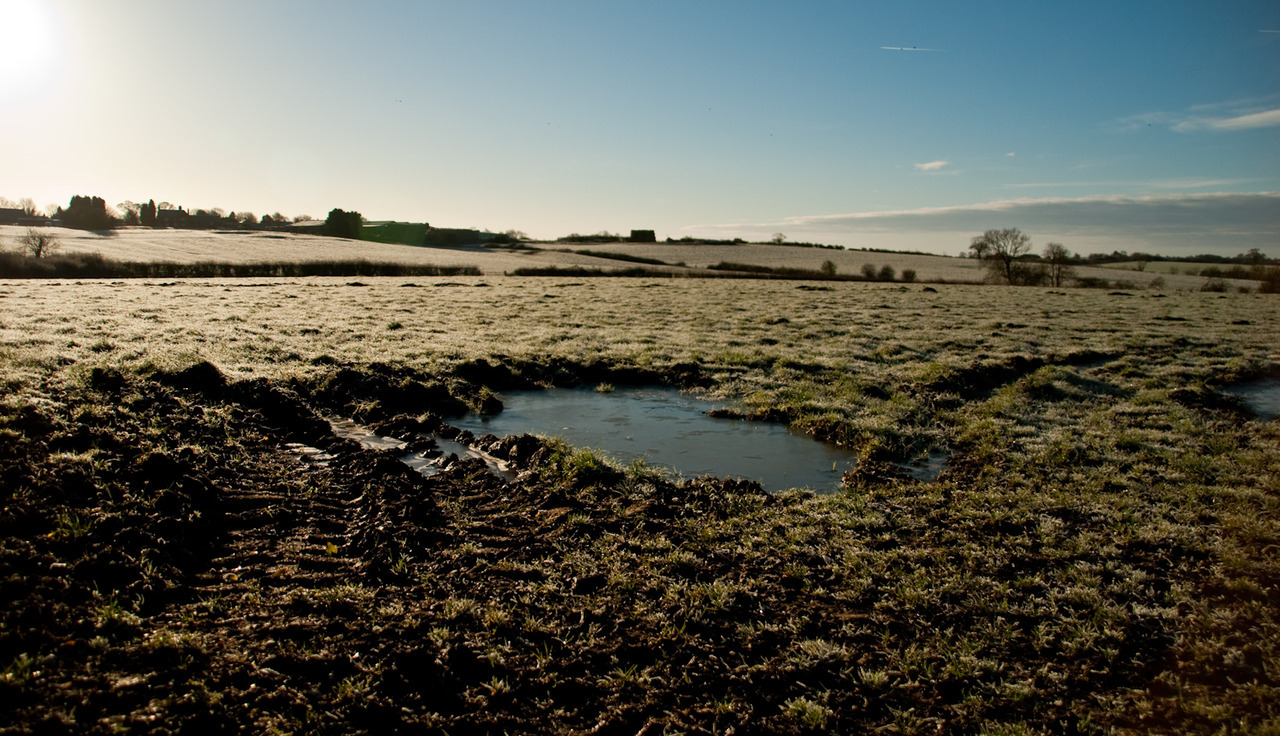
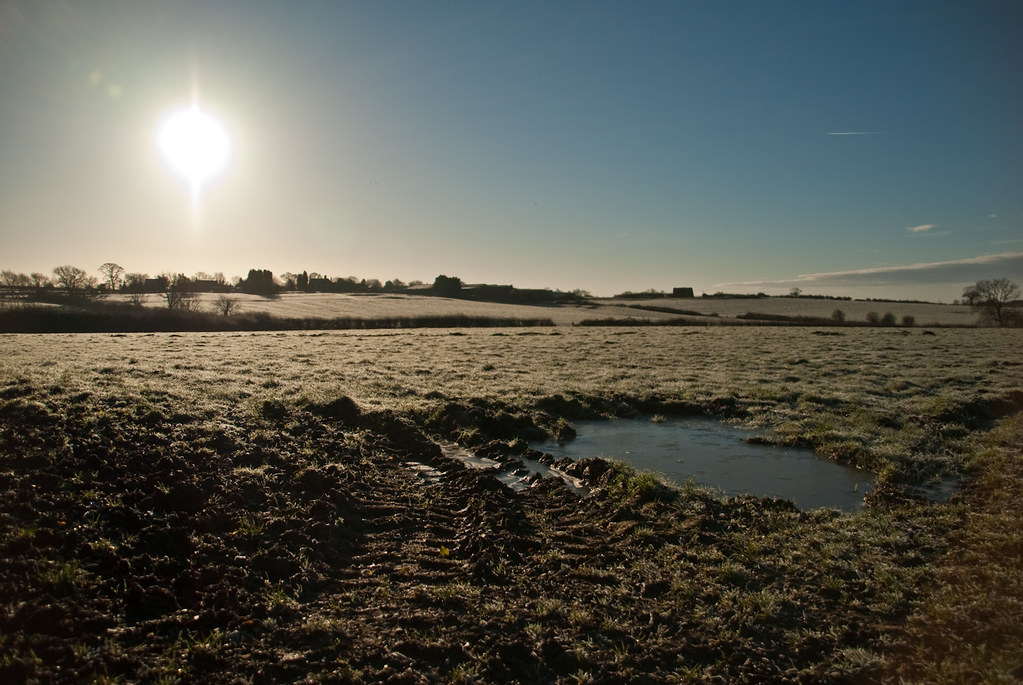
And suddenly winter is here, frost across the fields. Puddles frozen.



2012-12-02 21:01:00 GMT permalink